
Why DIY Electrical Work Is Risky
The rise of online video tutorials and home improvement television has fostered a culture of self-reliance among homeowners in Felton and the broader Santa Cruz Mountains. There is a deep-seated satisfaction in maintaining one’s own property, and for many tasks, a hands-on approach is both rewarding and cost-effective. Painting a room, installing a new faucet, or laying down laminate flooring are all excellent projects for a motivated weekend warrior. However, there is one area where the boundary between a productive project and a life-threatening mistake becomes incredibly thin. Electrical work is fundamentally different from other trades because the mistakes are often invisible until they result in a catastrophe.
In the coastal mountain environment, where homes are often nestled among redwoods and subject to high moisture levels, the integrity of an electrical system is paramount. The stakes are much higher than simply having a light that does not turn on. When electricity is handled incorrectly, the consequences include immediate physical harm, long-term fire hazards, and significant financial liability. While it may seem like a simple matter of connecting colors of wire, professional electrical work requires a deep understanding of physics, local building codes, and safety protocols that a ten-minute internet video cannot possibly convey.
The Immediate Threat to Life and Limb
The most obvious and terrifying risk of do-it-yourself electrical work is the potential for lethal electric shock. Most residential circuits in California run on 120 volts, while larger appliances like dryers and air conditioners use 240 volts. There is a common misconception that 120 volts is a minor nuisance or just a tickle. In reality, it only takes a fraction of an amp passing through the human heart to cause ventricular fibrillation and death. When you work on your own wiring, you are dealing with a force that is invisible, silent, and potentially deadly.
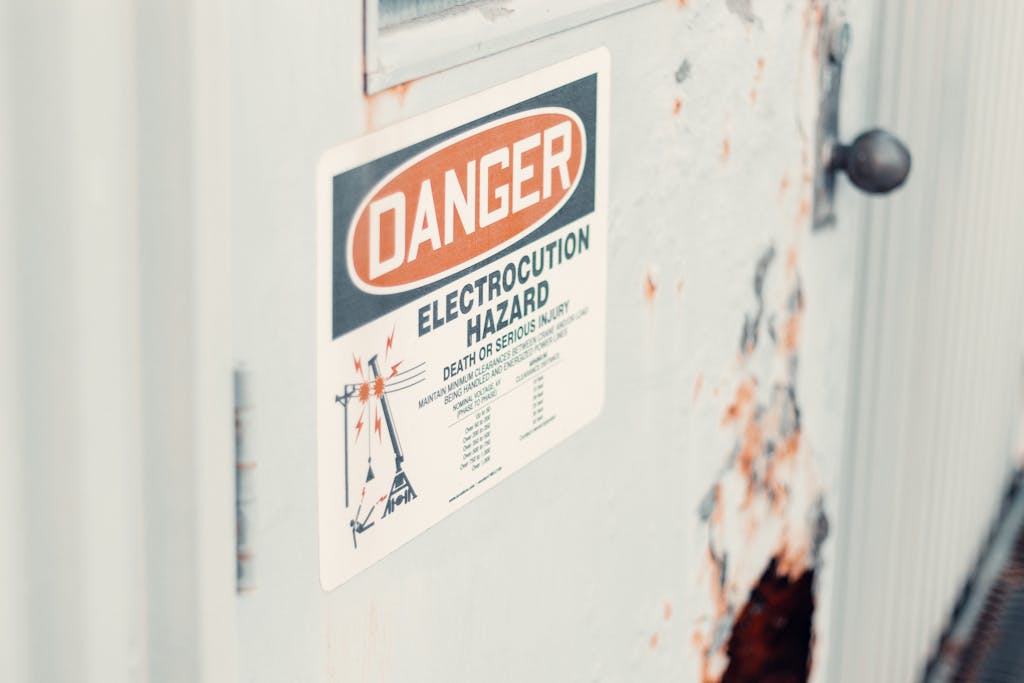
A professional electrician spends years as an apprentice learning how to respect this power. They use specialized, insulated tools and follow rigorous Lockout-Tagout procedures to ensure a circuit is truly dead before touching it. A homeowner often lacks the sophisticated testing equipment needed to verify that a circuit is safe. It is remarkably easy to turn off a breaker and assume an outlet is dead, only to discover that it was mislabeled or that there is a back-fed neutral wire still carrying a dangerous load. One wrong move while standing on a ladder or a damp concrete garage floor can lead to a tragic outcome.
Beyond the shock itself, there is the risk of an arc flash. This occurs when a short circuit creates an explosion of heat and light. If you accidentally touch a screwdriver between a hot wire and a grounded metal box, the resulting flash can reach temperatures hotter than the surface of the sun. This can cause severe burns, permanent eye damage, and even shrapnel injuries from molten metal. These incidents happen in the blink of an eye, leaving the DIYer no time to react. The danger is not just to the person doing the work, but to anyone nearby.
The Insidious Nature of Hidden Fire Hazards
While the immediate danger of shock is significant, the long-term risk of fire is perhaps even more concerning because it is hidden behind your walls. When a homeowner installs an outlet or a light fixture incorrectly, the results might seem fine at first. The light turns on, and the television works. However, electrical fires often take months or even years to develop. They are the result of poor connections that slowly deteriorate over time.
Need an electrical remodel? Click here for our electrical remodel service.
A primary cause of these fires is improper wire termination. If a wire is not stripped to the correct length or if a wire nut is not tightened with the proper amount of force, a loose connection is created. This looseness causes resistance. As electricity flows through that point of resistance, it generates heat. Over time, this heat causes the metal to expand and contract, loosening the connection further. Eventually, the heat becomes intense enough to melt the plastic insulation on the wires or the plastic housing of the outlet. Once the insulation is gone, the wires can arc, igniting the wooden studs or the dust inside the wall.
Another common DIY mistake is the use of incorrect wire gauges. Every circuit breaker is matched to a specific thickness of wire. If a homeowner decides to save a few dollars by using a thinner wire than the breaker requires, the wire will become a heating element long before the breaker ever detects an overload. This is a recipe for a catastrophic house fire that originates deep inside the structure where smoke detectors cannot reach until it is too late. Professional electricians use calibrated tools to ensure every screw is torqued to the manufacturer’s specifications and every wire is appropriately sized for the load it carries.
The Complications of Building Codes and Permitting
Electrical work is governed by the National Electrical Code and specific California state amendments. These rules are not suggestions; they are laws designed to ensure minimum safety standards are met. When a professional electrician performs work in Felton, they are responsible for ensuring that every aspect of the job is code-compliant. This includes everything from the depth at which wires are buried to the specific type of Arc-Fault Circuit Interrupter breakers used in bedrooms.
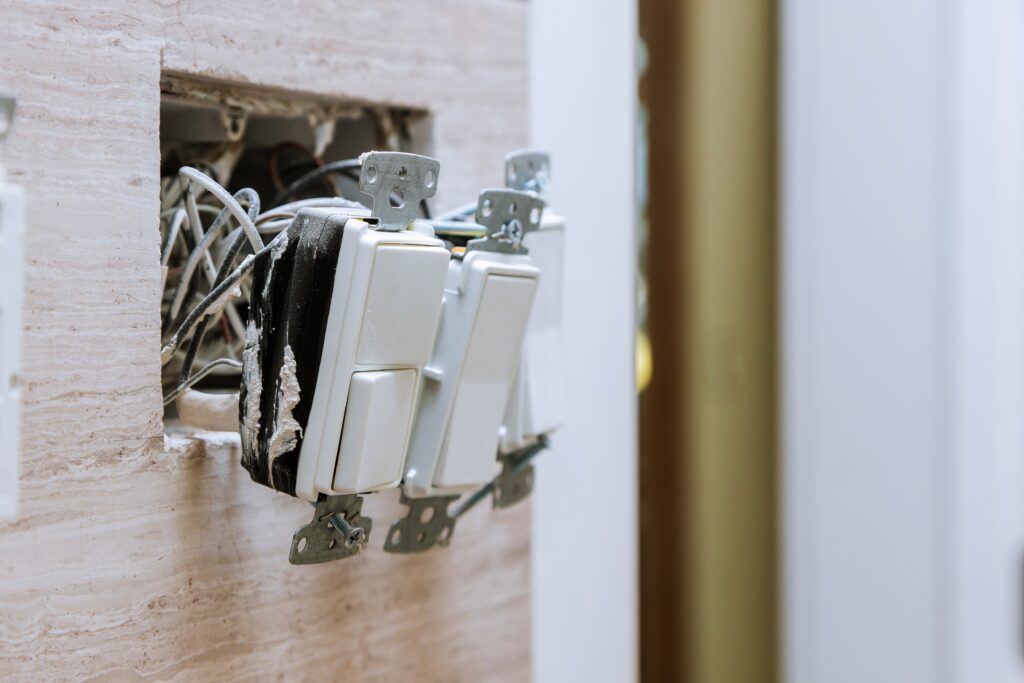
A DIY homeowner often views these codes as unnecessary red tape, but they exist for a reason. For example, the code requires specific spacing for outlets to prevent the use of dangerous extension cords. It also requires GFCI protection in damp areas like kitchens and bathrooms to prevent electrocution. A homeowner who is unaware of these requirements might inadvertently create a dangerous situation that persists until an inspection occurs.
Furthermore, almost all significant electrical work requires a permit from the local building department. This involves a formal application and a visit from a building inspector who verifies that the work was done safely. DIYers often skip this step to save time and money. However, this creates a major problem when it comes time to sell your home. During the escrow process, a home inspector will often identify unpermitted work. This can lead to the sale falling through or the homeowner being forced to pay a professional to tear out the work and redo it under permit, usually at a much higher cost than doing it right the first time.
Financial Risk and Insurance Denials
The perceived savings of a DIY project can evaporate instantly if something goes wrong. Beyond the cost of medical bills or property damage, there is the massive risk of insurance denial. Homeowner insurance policies are based on the assumption that the home is maintained in a safe, legal manner. Most policies contain clauses that allow the insurer to deny a claim if the cause of a fire or injury was due to unlicensed or unpermitted electrical work.
Want to know the electrical upgrades that increase home value? Click here for more information.
If your home suffers a fire and the fire investigator determines the origin was a junction box you installed yourself without a permit, your insurance company may refuse to pay for the repairs. This leaves the homeowner responsible for the total loss of the property, which can result in financial ruin. The insurance company takes the stance that by performing your own electrical work, you have increased the risk to a level that was not agreed upon in the policy.
There is also the matter of liability if someone else is hurt. If a guest in your home is shocked by a faulty outlet you installed, you could be held personally liable for their injuries. In the legal system, performing your own electrical work without a license is often viewed as negligence. The few hundred dollars saved on labor is insignificant compared to the potential for a multimillion-dollar lawsuit or a denied insurance claim on a million-dollar home in the Santa Cruz Mountains.
The Challenge of Specialized Mountain Environments
Homes in Felton and the surrounding mountains present unique challenges that standard DIY advice does not account for. Our region is subject to extreme moisture, salt air from the coast, and dense vegetation. These environmental factors accelerate the degradation of electrical components. Corrosion is a constant battle for outdoor fixtures, service panels, and grounding systems. A professional electrician understands which materials are rated for these specific conditions and how to properly seal penetrations to prevent water ingress.

Furthermore, many properties in our area are older and may still contain legacy systems like knob and tube wiring or aluminum wiring. These systems are notoriously difficult and dangerous to work on for those without specific training. Splicing modern Romex into an old knob and tube circuit without the proper techniques can lead to immediate overheating. A professional can identify these hidden risks and provide a roadmap for safely integrating modern technology into a vintage home without compromising the structural integrity of the electrical system.
The motivation to handle home repairs personally is admirable, but electricity is a field where the margins for error are non-existent. The risks associated with DIY electrical work—ranging from the immediate threat of electrocution and arc flash to the hidden, long-term danger of house fires—are simply too great to ignore. When you factor in the legal requirements of building codes, the necessity of permits, and the high probability of insurance complications, the true cost of a DIY mistake becomes clear. In a community like Felton, where our homes are nestled in a beautiful but vulnerable natural environment, ensuring that your power is handled by a licensed, C-10 professional is the only way to guarantee the safety of your family and the security of your investment. Trusting an expert ensures that the work is done safely, legally, and to a standard that provides peace of mind for years to come.