
How To Plan Electrical For A Kitchen Remodel
A kitchen remodel is one of the most valuable upgrades a homeowner can make, but the electrical system behind it is what determines how well the space actually functions. Modern kitchens depend on consistent power for appliances, lighting, and everyday convenience. If the electrical plan is not handled properly, the result is usually constant breaker trips, poor lighting, and a layout that feels frustrating to use.
Electrical planning should happen at the same time as layout decisions, not after. Where appliances go, how cabinets are arranged, and how the space flows all impact where wiring and outlets need to be placed. Getting this right early prevents delays during construction and avoids expensive changes later. A well planned electrical system supports the way the kitchen is used every single day.
Understanding Your Kitchen’s Electrical Demand
Every kitchen has different electrical needs based on how it is used. Some households rely heavily on cooking equipment, while others focus more on convenience and entertainment. The first step is identifying everything that will require power, including both major appliances and smaller devices that get used throughout the day.
Large appliances such as refrigerators, ovens, dishwashers, and microwaves require consistent and reliable power. Many of these need their own dedicated circuits to operate safely. When multiple high demand appliances share the same circuit, it increases the risk of overload and breaker trips. That is why understanding total load is critical before any wiring begins.
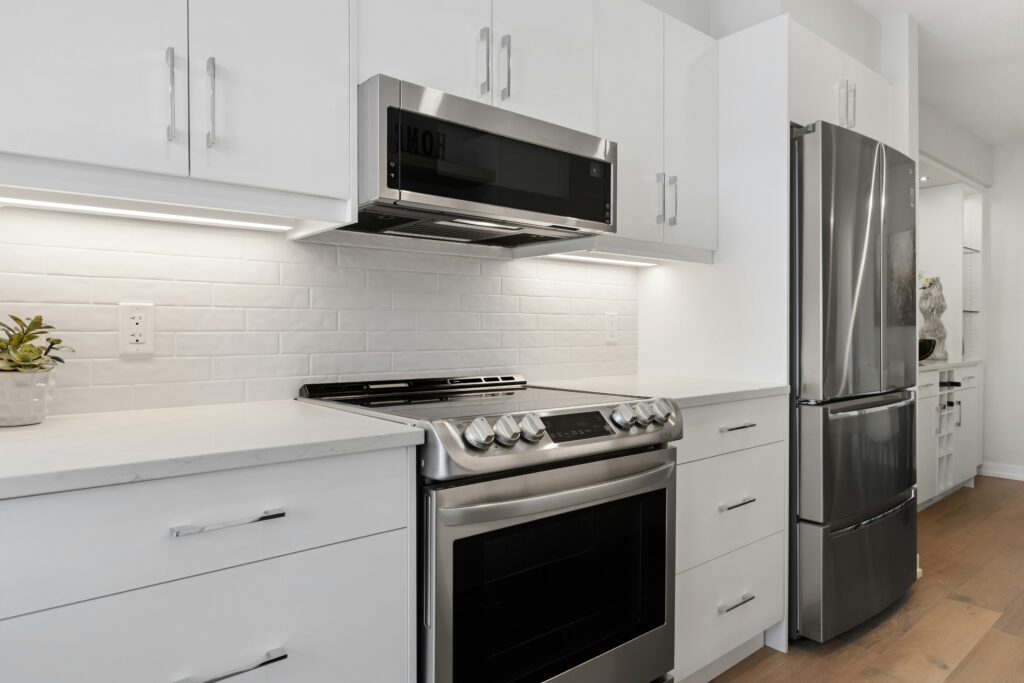
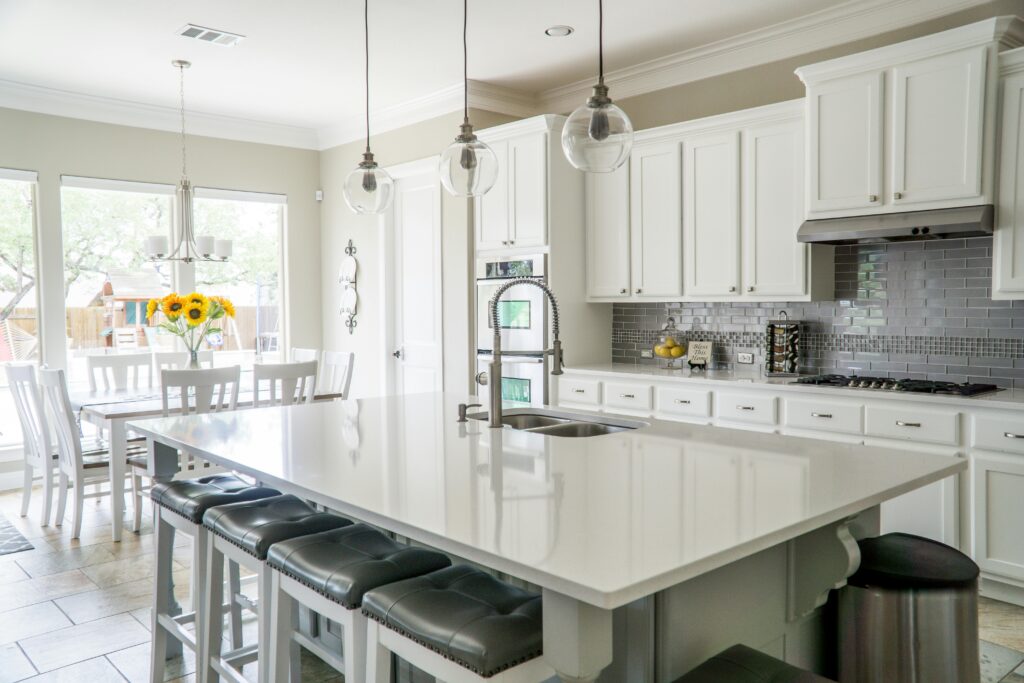
Smaller appliances also play a major role. Coffee makers, blenders, toasters, and air fryers are often used at the same time, especially in busy households. Without enough properly placed outlets, extension cords become a common but unsafe workaround. Planning for real usage ensures the system can handle daily demands without strain.
Planning Outlet Placement For Function And Convenience
Outlet placement is one of the most overlooked parts of a kitchen remodel, but it has a huge impact on how usable the space feels. Outlets should be placed where people actually need them, not just where it is easiest to install them.
Countertop outlets are essential since most small appliances are used in these areas. They should be spaced out in a way that allows multiple devices to be used without crowding a single location. Islands and peninsulas also need outlets, especially if they are used for prep work or seating. Without proper placement, these areas quickly become inconvenient.
Need to upgrade your outlets? Click here to learn more.
It is also worth considering outlets for less obvious uses. Charging stations for phones, outlets inside cabinets for hidden appliances, and power for under-cabinet lighting all contribute to a cleaner and more functional design. Thoughtful placement helps avoid clutter and improves how the kitchen feels day to day.
Dedicated Circuits And Load Management
Dedicated circuits are a key part of any kitchen electrical plan. These circuits are designed to serve a single appliance, ensuring it receives the power it needs without interference from other devices. This is especially important for high demand equipment.
Appliances like ovens, refrigerators, and dishwashers typically require dedicated circuits. Without them, the system becomes more vulnerable to overload. When too many devices draw power from the same source, breakers trip more often and wiring experiences additional stress over time.
Load management goes beyond just adding circuits. It involves understanding how power is distributed throughout the panel and making sure the system can handle peak usage. This is where professional planning becomes important, as it ensures the entire system is balanced and built for long term performance.
Lighting Design That Works With The Space
Lighting plays a major role in how a kitchen looks and functions. A well designed lighting plan includes multiple layers that work together to provide visibility, comfort, and style.
General lighting provides overall illumination for the space, while task lighting focuses on work areas like countertops and sinks. Accent lighting can highlight design features and add depth to the room. Without proper planning, kitchens often end up with dark spots or overly harsh lighting that makes the space less comfortable.
Under-cabinet lighting is a popular addition because it improves visibility on countertops without casting shadows. Pendant lights over islands and recessed lighting throughout the ceiling also help create a balanced and functional environment. The goal is to make the space easy to work in while maintaining a clean and modern look.
Upgrading The Electrical Panel If Needed
Many older homes were not designed to handle the electrical demands of a modern kitchen. If the existing panel is outdated or undersized, it may not be able to support new appliances and additional circuits.

An electrical panel upgrade may be necessary to provide enough capacity for the remodel. This ensures that the system can handle increased demand without constant issues. It also improves overall safety by reducing the risk of overheating and electrical faults.
Upgrading the panel during a remodel is often more efficient than trying to address problems later. It allows everything to be built on a strong foundation, supporting both current needs and future upgrades.
Planning For Future Upgrades And Technology
Kitchens continue to evolve, and electrical planning should account for that. Homeowners often add new appliances, smart devices, and additional features over time. Leaving room for expansion helps avoid major changes later.
Smart home technology is becoming more common, including smart outlets, lighting controls, and integrated appliances. These features require reliable wiring and proper setup to function correctly. Planning ahead makes it easier to incorporate these upgrades without reworking the entire system.
It is also worth considering flexibility in the layout. Adding extra circuits or leaving space in the panel can make future improvements much easier. A forward thinking approach ensures the kitchen stays functional as needs change.
Working With A Licensed Electrician
Electrical work in a kitchen remodel should always be handled by a licensed professional. This ensures the system meets safety standards and local code requirements. It also provides peace of mind that everything is installed correctly.
A qualified electrician can help plan the layout, calculate electrical load, and identify any upgrades that may be needed. They can also coordinate with other parts of the project to make sure everything is installed in the right order.
Working with a professional reduces the risk of costly mistakes and ensures the final result is safe, efficient, and built to last. Electrical systems are not something to guess on, especially in a high demand space like a kitchen.
Planning electrical for a kitchen remodel is about more than just powering appliances. It is about creating a system that supports how the space is used every day while maintaining safety and reliability. From outlet placement to panel capacity, every decision plays a role in the overall performance of the kitchen.
Taking the time to plan properly leads to a smoother remodel process and a better final result. It prevents common issues, supports modern appliances, and allows for future upgrades without major changes. A well designed electrical system turns a kitchen from a basic space into one that works exactly the way it should.