
How to Safely Upgrade Outdoor Lighting
Enhancing the exterior of your home in Felton with new lighting is one of the most effective ways to improve curb appeal, increase safety, and extend the usability of your outdoor spaces. In the unique environment of the Santa Cruz Mountains, outdoor illumination serves a dual purpose. It highlights the majestic redwoods and natural beauty of our properties while providing essential visibility during our foggy nights and rainy winters. However, upgrading outdoor lighting is not as simple as swapping out an indoor lamp. The outdoors presents a harsh set of conditions that can quickly turn a poorly executed lighting project into a dangerous electrical hazard. From the persistent moisture of the marine layer to the heavy downpours of the winter season, every component of an outdoor system must be engineered to withstand the elements.
Safety should always be the foundation of any outdoor electrical project. When electricity is brought into contact with the damp ground and open air, the margin for error disappears. A mistake that might cause a minor flicker indoors can lead to a lethal shock or a fire outdoors. For homeowners in the San Lorenzo Valley, an upgrade to outdoor lighting is an opportunity to move beyond basic functionality and implement a system that is robust, code-compliant, and energy-efficient. By focusing on the right materials and proper installation techniques, you can create a beautiful outdoor atmosphere that remains safe and reliable for many years to come, regardless of what the California weather brings.
Navigating the Challenges of the Coastal Mountain Climate
The environment in Felton and the surrounding Santa Cruz area is notoriously difficult for electrical components. We live in a region where the air is frequently saturated with moisture, whether from the dense morning fog or the seasonal rains. This moisture is the primary enemy of electrical systems, as it facilitates corrosion and creates paths for electricity to leak where it does not belong. When upgrading your outdoor lighting, you must look beyond the aesthetic design of a fixture and prioritize its build quality. Standard fixtures found in big-box stores are often made of thin, painted aluminum or plated steel. In our climate, these materials can begin to pit and rust within a single season, leading to structural failure and exposed wiring.

Choosing the right materials is a critical safety step. For long-term durability in the mountains, solid brass, copper, or high-quality composite materials are the preferred choices. Unlike painted metals, brass and copper do not rust or peel. Instead, they develop a natural patina over time that actually helps protect the metal from further environmental degradation. These materials are also much more resistant to the corrosive effects of the salt air that occasionally drifts in from the coast. Investing in heavy-duty fixtures may have a higher upfront cost, but it prevents the dangerous situation of a corroded light fixture falling from a mounting bracket or having its internal waterproof seals fail due to metal fatigue.
Beyond the fixtures themselves, the mounting surfaces in Felton often present challenges. Many homes feature wood siding or shingles that can trap moisture against the back of an electrical box. A safe upgrade involves ensuring that all junction boxes are properly sealed against the house with high-quality silicone caulking. A common mistake is to seal the entire perimeter of a fixture, but professional electricians know to leave a small gap at the bottom of the seal. This allows any condensation that might form inside the box to drain out rather than sitting against the electrical connections and causing a short circuit.
Understanding Ingress Protection and Wet Ratings
When selecting lights for your outdoor upgrade, it is vital to understand the difference between damp-rated and wet-rated fixtures. This distinction is governed by rigorous testing and dictates exactly where a light can be safely installed. A damp-rated fixture is designed for locations that are protected from direct rain but may be exposed to high humidity. These are perfect for covered porches, carports, or deep eaves where water will not directly strike the unit. However, many homeowners mistakenly install damp-rated lights on garden walls or along exposed pathways. In our rainy winters, these fixtures will inevitably fill with water, leading to immediate failure and potential shock hazards.
Need an outdoor lighting install? Click here for our outdoor lighting installation service.
For any location that is fully exposed to the sky, you must use a wet-rated fixture. These units are engineered with robust gaskets and seals that prevent water from entering the electrical compartment even during heavy wind-driven rain. When reviewing fixture specifications, you may also see an Ingress Protection or IP rating. This is an international standard that provides a more detailed look at how well a fixture is protected. The first digit of an IP rating refers to protection against solids like dust and dirt, while the second digit refers to protection against liquids. For the Santa Cruz Mountains, looking for a second digit of four or higher ensures that the light can handle the splashing and spraying water common during our storms.
The integrity of these seals is what keeps your home safe. As fixtures age, the rubber gaskets can become brittle and crack due to UV exposure. Part of a safe upgrade involves inspecting existing outdoor boxes and replacing old, degraded gaskets with new silicone versions. When a seal fails, moisture enters the box and creates a ground fault. This is why many homeowners find their outdoor lights tripping the breaker only during rainstorms. A truly safe outdoor lighting system is one that remains completely dry on the inside, no matter how wet it gets on the outside.
The Essential Role of GFCI Protection
The most important safety component in any outdoor lighting system is the Ground Fault Circuit Interrupter or GFCI. In California, electrical codes strictly require that all outdoor outlets and lighting circuits be protected by a GFCI. This device is designed to monitor the flow of electricity and shut off the power instantly if it detects even a tiny amount of current leaking to the ground. In an outdoor setting, where you might be standing on damp soil or touching a wet metal fixture, a GFCI can be a life-saving device. It prevents the electricity from using your body as a path to the ground in the event of a fault.
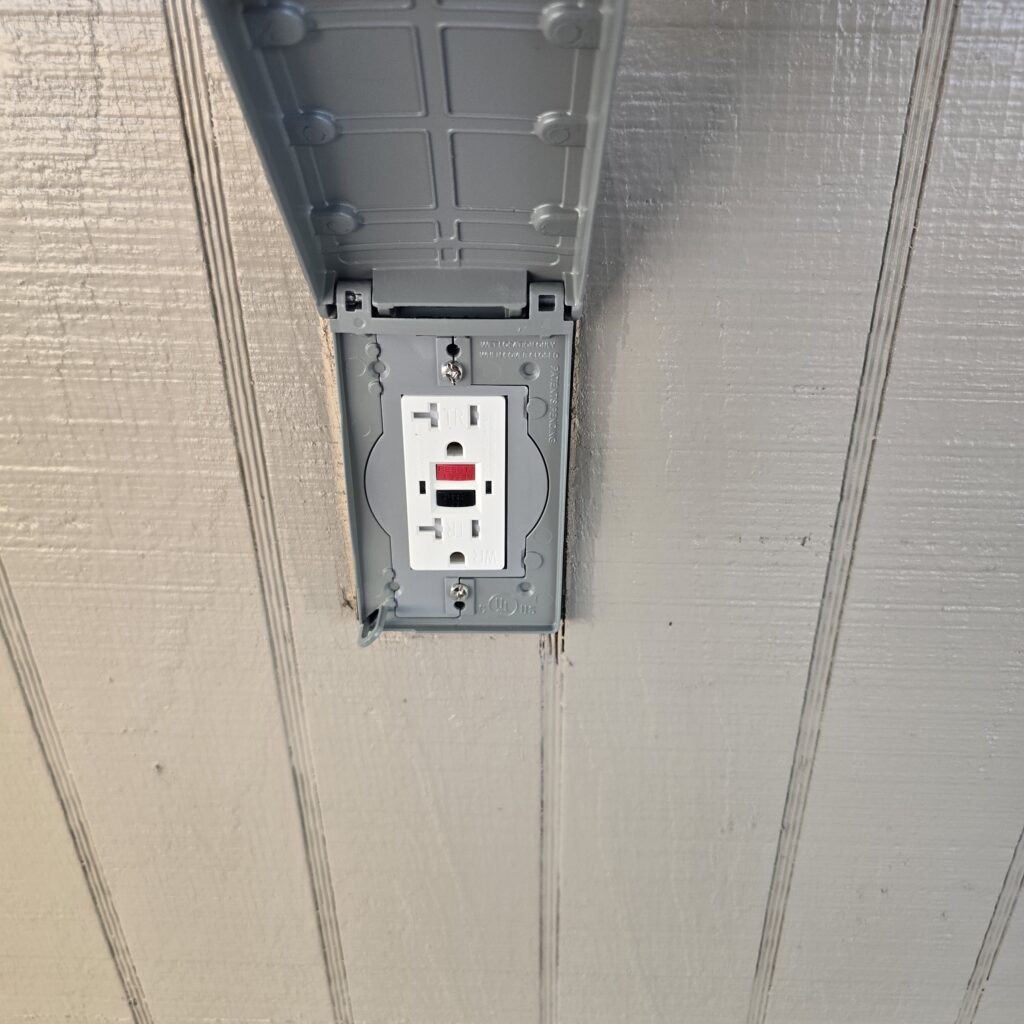
When upgrading your lighting, you must verify that your outdoor circuits are actually protected. Older homes in Felton may have been built before these codes were as stringent as they are today. You can provide this protection by installing a GFCI outlet at the beginning of the outdoor run or by replacing the standard circuit breaker in your main panel with a GFCI breaker. This ensures that every light, outlet, and transformer on that line is covered. It is also important to remember that GFCIs are mechanical devices that can fail over time. A safe lighting system includes regular testing of these devices to ensure they still trip and reset correctly.
Nuisance tripping is a common complaint with outdoor GFCIs, but it is usually a sign that the system is doing its job. If your outdoor lights trip the GFCI every time it rains, it means there is moisture entering a fixture or a connection somewhere in the line. Rather than bypassing the safety device, a safe upgrade involves finding and fixing the leak. This often requires opening up junction boxes and ensuring that all wire connections are made with waterproof wire nuts filled with silicone sealant. These specialized connectors prevent the copper wires from oxidizing and prevent water from bridging the gap between the hot and neutral wires.
Low Voltage Versus Line Voltage Systems
Homeowners generally have two choices when upgrading their outdoor lighting: line voltage or low voltage. Line voltage systems run on the standard 120 volts found inside your home. These are typically used for large floodlights, security lighting, and fixtures mounted directly to the house. While powerful, line voltage systems require more significant safety precautions. All wiring must be housed in rigid conduit or buried at least eighteen inches deep to prevent accidental damage from gardening tools. A line voltage cable that is nicked by a shovel can deliver a lethal shock, making the installation process much more demanding and regulated.
Want to know how inspections help you avoid costly repairs? Click here for more information.
Low voltage systems, which operate on 12 or 24 volts, have become the preferred choice for landscape and path lighting in the Santa Cruz Mountains. These systems use a transformer to step the power down to a much safer level. A low voltage shock is generally harmless to humans and pets, making it an ideal choice for garden areas where kids and animals play. Because the voltage is so low, the cables can be buried just a few inches below the surface or even tucked under mulch in some applications. This makes the installation much less invasive to the root systems of our redwood trees and allows for much greater flexibility in lighting design.
However, low voltage does not mean low maintenance or zero risk. The connections in a low voltage system are even more susceptible to corrosion because the lower voltage has less “push” to get through oxidized terminals. A safe low voltage upgrade involves using a high-quality, weather-tight transformer and ensuring that the total wattage of the lights does not exceed the transformer’s capacity. Overloading a transformer can cause it to overheat and fail prematurely. Additionally, you must still ensure that the 120-volt outlet providing power to the transformer is GFCI-protected and housed in a “while-in-use” weather cover that keeps the plug dry even when it is plugged in.
Modernizing with LED Technology and Controls
One of the best ways to safely upgrade your outdoor lighting is to switch to LED technology. Traditional incandescent and halogen bulbs generate a tremendous amount of heat. In the confined space of a sealed outdoor fixture, this heat can cause the wire insulation to become brittle and the gaskets to fail. LEDs operate much cooler, which extends the life of the fixture and reduces the risk of thermal-related electrical failures. Furthermore, LEDs draw significantly less amperage than traditional bulbs. This means you can add more light to your property without overloading your existing circuits, which is a major safety benefit in older homes with limited electrical capacity.
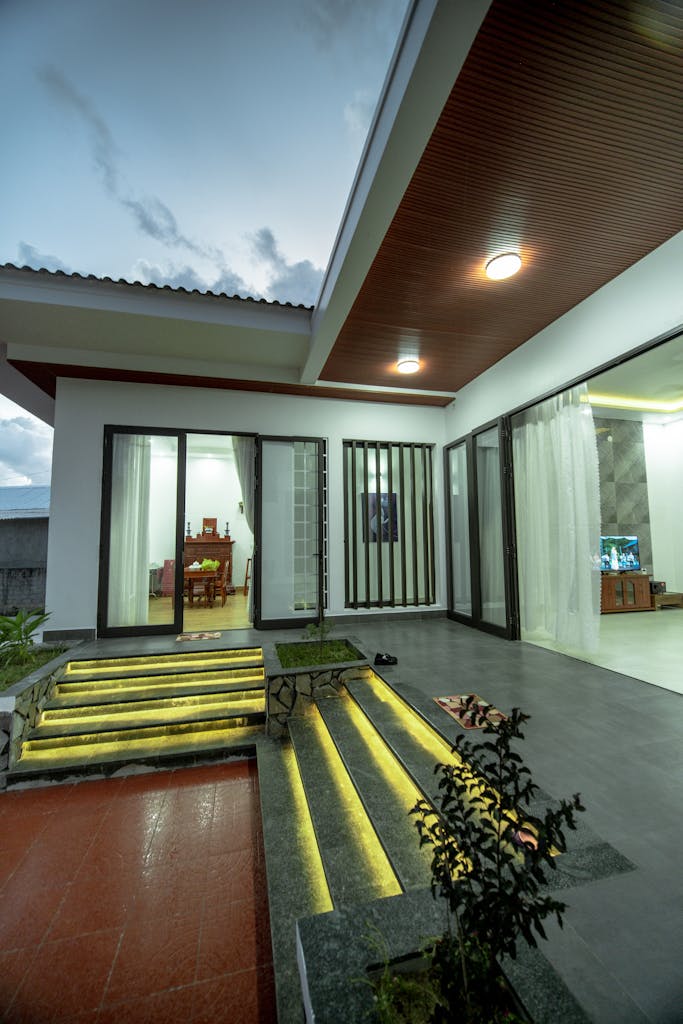
Controlling your outdoor lighting has also become a matter of safety and security. A well-lit home is a deterrent to intruders and a help to emergency responders. Modern upgrades often include smart controls or astronomical timers. Unlike simple photocells that can be fooled by shadows or dirt, astronomical timers use your geographic location to calculate exactly when the sun rises and sets each day. This ensures your lights are always on when it is dark and off when it is light, saving energy and ensuring you never come home to a dark driveway. Smart systems also allow you to control your lights remotely via a smartphone, giving you the ability to check the status of your property even when you are away from Felton.
For those considering solar-powered lights as an upgrade, it is important to be realistic about their performance in the Santa Cruz Mountains. Our dense tree canopy and frequent fog often mean that solar fixtures do not receive enough direct sunlight to stay illuminated through the night. While they are safe and easy to install, they often fail to provide the consistent, reliable light needed for safety on stairs or walkways. A hardwired low voltage system remains the most dependable way to ensure your property is illuminated when you need it most.
Professional Installation and Permit Requirements
While many outdoor lighting projects are marketed as easy weekend tasks, the reality of working with electricity in a wet environment makes professional installation the safest choice. A licensed C-10 electrician understands the complexities of the California Electrical Code and ensures that every aspect of your upgrade is safe and legal. This includes proper wire sizing, conduit installation, and ensuring the grounding system of your home is robust. In Felton, where property lines and terrain can be complicated, a professional can also help navigate the placement of lights to avoid light pollution and neighbor disputes.
Permitting is another essential step for a safe and successful upgrade. Major electrical additions to your exterior require a permit from the county building department. This process involves a plan review and a final inspection by a building official. This inspection is your third-party verification that the work was done to code and is safe for your family. Skipping the permit process may save time initially, but it can create significant liability issues if a fire or injury occurs, and it can complicate the sale of your home in the future.
When you hire a professional like Beach Electrical for your outdoor lighting upgrade, you are investing in peace of mind. We understand the unique challenges posed by the redwood forest and the coastal influence. We use materials that are rated for our environment and installation techniques that prioritize longevity and safety. Whether you are looking to illuminate a winding forest path or add security lighting to your garage, doing it safely ensures that your investment provides beauty and protection for years to come.
Upgrading your outdoor lighting in Felton is a rewarding project that transforms how you experience your home at night. By moving beyond simple aesthetics and focusing on the safe integration of technology and materials, you can create an outdoor environment that is as resilient as it is beautiful. From choosing solid brass fixtures that defy corrosion to ensuring every circuit is guarded by GFCI protection, every decision you make impacts the long-term safety of your property. In the damp and demanding climate of the Santa Cruz Mountains, there is no substitute for quality and professional standards. A safe upgrade not only protects your home from the risk of fire and shock but also ensures that your lights remain a steady, welcoming glow through the fog and storms of the California coast. Taking the time to do the job right means you can step out into the night with confidence, knowing your lighting system is built to last and designed to keep you safe.