Electrical Wiring
Beach Electrical offers comprehensive electrical wiring and rewiring services for any project. Our C10 licensed electricians provide safe and reliable wiring solutions in Felton, CA.
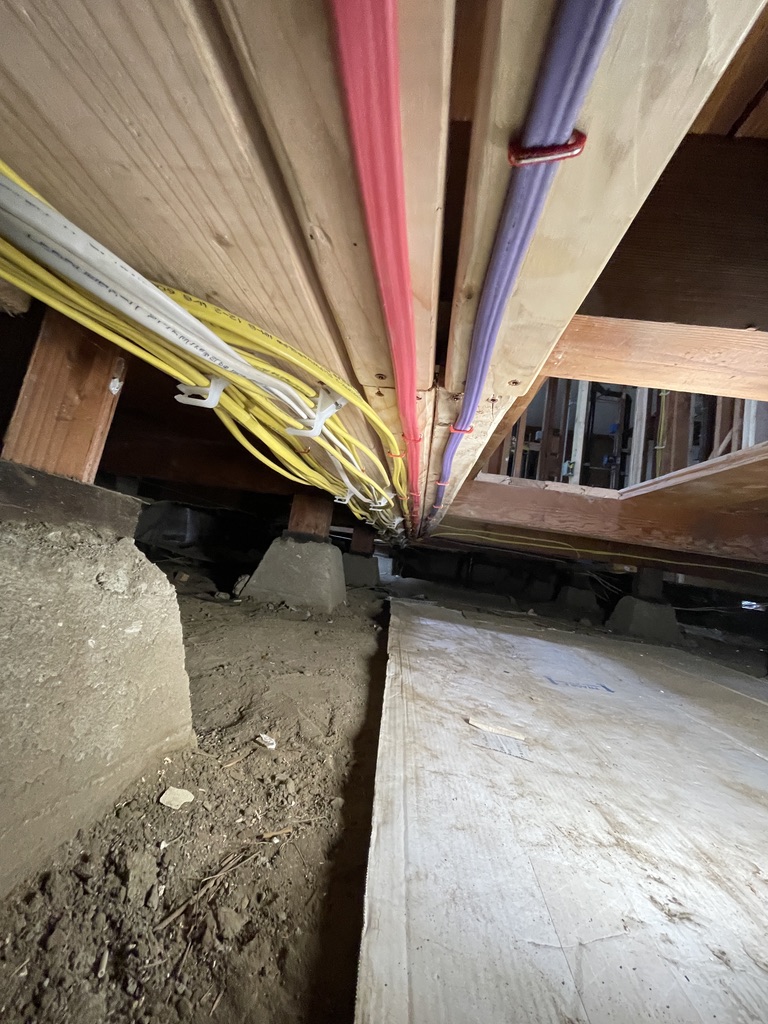

Top Electrical Wiring in Felton, CA
The wiring is the circulatory system of your home, and its quality and condition are fundamental to your safety. From installing a single new circuit to completely rewiring an entire house, the job must be done correctly. Beach Electrical provides expert electrical wiring services for new construction, remodels, and existing homes. With over 30 years of experience, we are masters of our trade. Our licensed electricians can replace dangerous old wiring or install a complete, new system that is fully compliant with the National Electrical Code. As 70E and OSHA 30 certified professionals, we prioritize safety and quality in every connection we make. For all your electrical wiring needs in Felton, trust the proven experts at Beach Electrical.
Jason is professional and knowledgeable. He did an amazing job with the electrical in my home. Hands down, the best I have met. He fixed the situation the others did not.
Great company. Searched out reason my outlets didn’t work. Went over and beyond to correct the problem. Responsive and reasonable.
If I could give ten stars, I would. Jason was available on a weekend (!) for an emergency but still with reasonable rates! He was efficient and explained all he was doing in the process. I will use his company for any future work, and I recommend you do as well. AND licensed and bonded, so I knew the work he was doing would keep me safe!
I cannot say enough, good things about this organization! They absolutely did a fantastic job, and they were great to deal with. I will certainly keep them in mind for any other needed repairs and for any other major projects in the future. Do not call any other electrician just call Beach Electric you will be glad you did.
I called Beach Electric, Jason came right out within an hour of my call. He was very reasonable, $400 cheaper then the Electrical company that I had previously gotten a quote from. He did an excellent job, he was easy to communicte with. He told me exactly what he was going to do and why, being a women with no knowledge of electricity he explained so I understood it. I highly recomment Jason Beach a fantastic electrician and excellence in business skills, very fair, reasonable and in a timely manner. Janice Gidcumb
Jason’s expertise truly shone through! He promptly addressed our issue with finesse, demonstrating mastery in resolving it. Highly commendable!
I had an emergency, a branch took out my wire and hub and grounds. It was scary. Jason was very fast and responsive. He looked at the job and quoted a price, but then when investigating the job more in detail, he realized it was a more complex project. He worked with the permit dept, pge and kept me informed though out the process. It all went smoothly and he even followed up the next day to check up with me to make sure all was fine. He's local here in Felton and a wonderful human. Cherie
I have recently had the opportunity to utilize the services of Jason Beach to handle some electrical issues at my home. When I contacted him, he responded immediately and worked tirelessly in the pouring rain to locate the issue with my electrical service. I was very pleased with his efforts and highly recommend him to all. Thank you Jason! Joe Beasley
Jason Beach is an excellent electrician. He is prompt, knowledgeable, experienced, easy to work with, reasonably priced, and very good at problem-solving. He sees areas that need addressing and finds the perfect solution to fix them. I have recommended Beach Electrical to my friends. He goes the extra mile to rectify any electrical needs you may have, and always keeps the client informed. I highly recommend Beach Electrical.
Our Electrical Wiring Service Locations
Beach Electrical is proud to offer expert electrical wiring services to our valued clients throughout the region. We are committed to providing reliable electrical solutions to numerous communities. Below you will find a complete list of the cities and towns we serve.
- Almaden Valley, CA
- Amesti, CA
- Aptos, CA
- Aptos Hills, CA
- Ben Lomond, CA
- Boulder Creek, CA
- Campbell, CA
- Capitola, CA
- Corralitos, CA
- Day Valley, CA
- Felton, CA
- Los Gatos, CA
- La Selva Beach, CA
- Live Oak, CA
- Monte Sereno, CA
- Pasatiempo, CA
- Pleasure Point, CA
- Rio Del Mar, CA
- San Jose, CA
- Santa Cruz, CA
- Saratoga, CA
- Scotts Valley, CA
- Seacliff, CA
- Soquel, CA
- Sunnyvale, CA
- Twin Lakes, CA
- Willow Glen, CA
Years of experience
Client Satisfaction
homes inspected
Completed Service Calls
Electrical Wiring Service in Felton, CA
Proper electrical wiring is the most fundamental component of a safe and functional home. It is a complex network of cables and connections that runs silently behind your walls, powering everything from your lights to your most advanced electronics. A professionally installed wiring system provides reliable power for decades, while faulty wiring is one of the leading causes of house fires. Our team of licensed electricians at Beach Electrical has the expertise to handle any wiring project, ensuring that every cable is run correctly, every connection is secure, and every circuit is properly protected according to the stringent standards of the National Electrical Code (NEC).
For new construction projects, we work with builders and homeowners from the ground up to design and install a complete electrical system. We carefully plan the layout of all circuits, switches, outlets, and lighting fixtures to create a system that is tailored to the home’s design and the owner’s lifestyle. We install all the necessary wiring during the rough in phase, before the drywall is installed. This includes running dedicated circuits for all major appliances, providing ample outlets in every room, and installing modern lighting solutions. Our meticulous work ensures the home’s electrical system will be safe, reliable, and ready for the final inspection.
Many older homes in our area were built with wiring systems that are now considered outdated and potentially unsafe. We specialize in home rewiring services to replace these old systems. Two of the most common types of problematic old wiring are knob and tube wiring and aluminum branch circuit wiring. Knob and tube wiring, found in homes built before 1950, lacks a ground wire and its insulation can become brittle over time. Aluminum wiring, used in the 1960s and 70s, is known to create loose, hazardous connections. We can safely remove this old wiring and replace it with modern, copper NM-B cable (Romex).
The process of rewiring an existing home is a major undertaking, but our experienced team makes it as smooth as possible. We use specialized techniques and tools to fish new wires through walls and ceilings with minimal damage to your finished surfaces. We work systematically, one area at a time, to minimize disruption to your household. A full home rewire is a significant investment, but it is one of the most important upgrades you can make to an older home. It greatly improves safety, brings your home up to modern code, increases your home’s value, and may even lower your homeowner’s insurance premiums.
In addition to full rewires, we perform all types of smaller wiring projects. If you need a new circuit for a specific purpose, we can install one for you. This includes dedicated circuits for sensitive computer equipment, a new window air conditioner, a sump pump, or a workshop tool. We also handle all low voltage wiring needs. This type of wiring is used for systems like doorbells, thermostats, security cameras, and home network data cabling (Ethernet). Proper installation of these systems ensures they work reliably and without interference.
Outdoor wiring requires special materials and techniques to ensure it is safe and durable enough to withstand the elements. We provide expert wiring for all your outdoor projects. This includes installing GFCI protected outlets for your patio or deck, wiring for landscape lighting to enhance your home’s curb appeal, and running power to an outbuilding like a shed or a detached garage. We use weatherproof boxes and run all underground wiring in a protective conduit at the proper burial depth to meet all code requirements. We can also handle the specialized wiring and bonding required for swimming pools and hot tubs.
At Beach Electrical, we stand behind the quality of our workmanship on every wiring project. Every connection is made with care, and every circuit is thoroughly tested to ensure it is safe and functioning correctly. Our C10 license is your assurance that we are qualified and accountable, and our 30+ years of experience mean we have seen and solved every wiring challenge imaginable. Whether you are building a new home, renovating an old one, or just need to add a single outlet, you can count on us for professional and reliable wiring services.
CUSTOM SOLUTIONS
We don’t use cookie-cutter fixes; every job is tailored to your property, equipment, and electrical system needs.
24/7 EMERGENCY SERVICES
We’re available day or night to fix urgent electrical problems and get your power restored safely and fast.
ON TIME, EVERY TIME
We show up when we say we will, ready to work, with no delays, no no-shows, and no excuses.
View All Of Our Electrical Services in Felton, CA
We offer a wide range of expert electrical services to meet all your residential and commercial needs. Our team is equipped to handle any project, big or small, with professionalism and skill. Explore our full list of services to see how we can assist you.
What Makes a Great Electrical Wiring Service
A great wiring service combines deep knowledge of the electrical code with meticulous, high quality workmanship. Beach Electrical ensures every wire is run and every connection is made to the highest professional standards.
- Expertise in Rewiring Older Homes: We specialize in safely replacing knob and tube and aluminum wiring.
- New Construction Proficiency: We work with builders to install complete, modern electrical systems.
- Meticulous Workmanship: We take pride in neat, secure, and professional wiring installations.
- Strict Code Adherence: All our wiring work is performed to meet or exceed NEC standards.
- 30+ Years of Wiring Experience: Decades of hands-on experience in all types of residential wiring.
Most Common Electrical Wiring Questions
The electrical wiring in a home is a complex and critical system that is mostly hidden from view, which naturally leads to many questions from homeowners, especially those living in older houses. Understanding the basics of different wiring types and the signs of potential problems is important for every homeowner. Here are answers to some of the most common questions about electrical wiring.
Over the decades, several different types of wiring have been used in residential construction. In modern homes built from the 1960s to today, the most common type of wiring is non metallic sheathed cable, widely known by the brand name Romex. This cable consists of two or more insulated copper conductors (a black “hot” wire, a white “neutral” wire) and a bare copper ground wire, all bundled together inside a durable plastic vinyl sheath. This type of wiring is safe, reliable, and the standard for modern residential construction.
In homes built from the mid 1960s to the mid 1970s, you might find aluminum branch circuit wiring. Due to a copper shortage at the time, solid aluminum wire was used instead of copper for general purpose circuits. This type of wiring has since been found to be a fire hazard because aluminum expands and contracts more than copper, which can cause connections at outlets and switches to become loose over time, leading to overheating. Special repair methods are needed to make this wiring safe, though replacement is often the best option.
In homes built before the 1950s, the common wiring method was “knob and tube.” This system consists of individual copper wires insulated with a rubberized cloth material. The wires were run separately through the open cavities of the walls and ceilings. Ceramic knobs were used to secure the wires to the framing, and ceramic tubes were used to protect the wires as they passed through joists. This type of wiring is now obsolete, as it lacks a ground wire, and the insulation can become brittle and unsafe over time.
Solid conductor aluminum branch circuit wiring, which was installed in many homes between approximately 1965 and 1974, is now recognized as a significant safety concern. While aluminum itself is a good conductor of electricity, it has certain properties that make it less suitable than copper for use in residential branch circuits. The primary problem with aluminum wiring is its tendency to expand and contract at a much higher rate than copper when it heats up and cools down. This thermal cycling can cause the wire to loosen from the terminal screws on outlets and switches over time.
A loose electrical connection creates high resistance, which in turn generates a great deal of heat. This heat can be intense enough to melt the outlet or switch and ignite the surrounding building materials, leading to a house fire. Another issue is that aluminum oxidizes when exposed to air, and this aluminum oxide layer is a poor conductor of electricity, which further increases the resistance and heat at the connection point. Standard outlets and switches are not designed for use with aluminum wire and can exacerbate these problems.
If your home has aluminum wiring, it does not necessarily mean you have to rewire the entire house, though that is the most permanent solution. The U.S. Consumer Product Safety Commission (CPSC) has approved specific repair methods to make aluminum wiring safe. The most common and accepted method is to use a special copper to aluminum pigtail connector, such as the Copalum or AlumiConn connectors. This involves attaching a short piece of copper wire to the end of the aluminum wire with this special connector, and then connecting the copper wire to the standard outlet or switch. This should only be done by a qualified electrician.
Knob and tube (K&T) wiring was the standard method of wiring homes from the late 1800s through the 1940s. It consists of single copper conductors insulated with rubberized cloth fabric. These individual wires were run through the open air space in wall and ceiling cavities. Ceramic “knobs” were used to nail the wires to the wood framing, holding them securely in place, while ceramic “tubes” were inserted into holes drilled in joists to protect the wire as it passed through the wood. This “open air” design was actually effective at dissipating heat.
However, despite its longevity, knob and tube wiring has several major safety drawbacks by today’s standards and should be replaced. The most significant issue is that it is a two wire system and does not have an equipment grounding conductor. A ground wire is a critical safety feature that protects against electrical shock. The insulation on K&T wiring is also a major concern. After 70 years or more, the rubber insulation can become brittle, cracked, and can crumble away if disturbed, leaving bare, live wires exposed inside your walls.
Furthermore, knob and tube wiring was designed to be cooled by the open air around it. It becomes a serious fire hazard if it is covered by modern thermal insulation, such as blown in cellulose or fiberglass batts, as this can cause the wires to overheat. Many insurance companies will refuse to insure a home with active K&T wiring or will charge significantly higher premiums. For these safety and insurance reasons, we strongly recommend that all active knob and tube wiring be professionally decommissioned and replaced with modern, grounded Romex wiring.
Rewiring a house is a major and invasive project, but it is a crucial upgrade for the safety of an older home. The process involves replacing all the old, outdated branch circuit wiring with new, modern, grounded copper wiring (Romex). It also typically includes replacing the old electrical panel, outlets, and switches with new ones. The project begins with careful planning to determine the best way to run the new wires with the least amount of disruption to the home.
The process of running the new wires in a finished home is called “fishing.” Our electricians are skilled at this process, which often involves working in the attic and basement or crawlspace to access the wall cavities. We will strategically cut small openings in the drywall or plaster where needed to pull the new wires from the panel location to each outlet, switch, and light fixture box. We do our absolute best to minimize the number and size of these openings, but some drywall cutting is an unavoidable part of the process.
Once all the new wires are run, we install new electrical boxes and connect all the new outlets, switches, and fixtures. We also install the new electrical panel and connect all the new circuits to their new breakers. After the electrical work is complete and has been inspected by the city inspector, the homeowner is responsible for hiring a drywall contractor to patch and paint the openings we had to make. While it is a disruptive process, the end result is a completely new, safe, and reliable electrical system that will serve your home for many decades to come.
The cost to completely rewire a house is a significant investment and can vary dramatically based on a number of factors, making it impossible to give a generic price without a thorough evaluation of the home. The single biggest factor that determines the cost is the size of the house. A larger, multi story house will require much more wire and significantly more labor to rewire than a small, single story home. The number of outlets, switches, and light fixtures also directly impacts the cost.
The construction of the house also plays a major role in the labor cost. A home with easy access to an open attic and an unfinished basement or a crawlspace is much easier and therefore less expensive to rewire than a home built on a concrete slab with no attic access. The type of wall construction also matters; fishing wires through walls with plaster and lath is generally more difficult and time consuming than working with modern drywall.
Other factors include whether the project also involves an electrical service upgrade and a new panel, which is almost always the case with a full rewire. The final cost will be a combination of the cost of materials (wire, panel, breakers, devices), the cost of the electrical permit, and the significant amount of skilled labor required to perform the job. Beach Electrical provides free, detailed on site estimates for whole house rewiring projects. We will perform a complete walkthrough of your home to provide you with an accurate and comprehensive quote.
Low voltage wiring is a category of electrical wiring and cable that operates at a much lower voltage than the standard 120 or 240 volts used for power and lighting. Typically, low voltage systems operate at 50 volts or less. This type of wiring is used to carry data signals or a small amount of power for a variety of communication, entertainment, and security systems throughout a home. Because of its lower voltage, it is generally safer to work with and has different installation requirements than standard voltage wiring.
Some of the most common applications for low voltage wiring in a modern home include data networking. This involves running Category 5e or Category 6 (Cat6) Ethernet cables from a central router or switch to various rooms to provide a fast and reliable wired internet connection for computers, smart TVs, and gaming consoles. It is also used for telephone lines and for distributing the signal from a cable or satellite TV service to multiple televisions.
Other common uses include wiring for a doorbell and thermostat, which both operate on a low voltage transformer. It is used for home security systems to connect sensors on doors and windows back to the main control panel. Low voltage wiring is also the standard for home audio systems, such as in ceiling speakers or a whole house audio system. Finally, it is widely used for landscape lighting systems, where a transformer steps the voltage down to a safe 12 volts to power the outdoor light fixtures.
Wiring a new outlet must be done according to the specific rules laid out in the National Electrical Code (NEC) to ensure it is safe and functional. First, the outlet, which is technically called a receptacle, must be installed in an approved electrical box that is securely fastened to the home’s framing. The size of the box must be large enough to safely accommodate the number of wires and the device being installed, a rule known as “box fill.” The cable entering the box must be secured with a proper clamp, and at least six inches of free wire must be left inside the box for making connections.
The wiring connections themselves are critical. The black (hot) wire must be connected to the brass colored screw on the receptacle, the white (neutral) wire must be connected to the silver colored screw, and the bare copper (ground) wire must be connected to the green ground screw. Reversing the hot and neutral wires, a condition called “reverse polarity,” can be a safety hazard. All connections should be made securely, with the wire wrapped clockwise around the screw so that tightening the screw also tightens the wire loop.
The circuit that the new outlet is on must be protected by the correctly sized circuit breaker, typically a 15 amp breaker for 14 gauge wire or a 20 amp breaker for 12 gauge wire. Furthermore, the code requires that outlets in certain locations have special protection. For example, all outlets in kitchens, bathrooms, garages, and outdoors must be GFCI protected. Outlets in most other habitable rooms, like bedrooms and living rooms, must be AFCI protected. A licensed electrician is an expert in all these code requirements.
The signs of faulty or outdated wiring can range from subtle annoyances to obvious and dangerous warning signs. You should never ignore these indicators, as they can be symptoms of a serious underlying problem that could lead to a fire or electrical shock. One of the most common signs is frequently tripping circuit breakers or blowing fuses. This indicates that your circuits are overloaded, or there may be a short circuit somewhere in the wiring. Flickering or dimming lights are another common symptom, especially if it happens when a large appliance turns on, which can point to an overloaded circuit or a loose connection.
Pay close attention to your outlets and switches. If a switch or outlet plate feels warm to the touch, it is a sign of an unsafe amount of heat being generated at the connection point. Any discoloration or scorch marks on an outlet are a major red flag that indicates a dangerous arcing condition is occurring inside the box. You should also be alert for any unusual smells. A persistent burning smell or an acrid, fishy odor coming from an outlet or switch often indicates that the plastic components are overheating and melting.
Finally, listen for any strange sounds. A buzzing, sizzling, or crackling sound from an outlet, switch, or your main panel is a sign of a loose connection or a failing device and should be investigated immediately. If you experience even a mild shock or tingle when you touch an appliance, it could be a sign of a faulty appliance or a problem with your home’s grounding system. If you notice any of these signs, it is crucial to call a licensed electrician at Beach Electrical right away to diagnose and repair the problem.
Get The Top Electrical Wiring Near You
For a free, no obligation estimate on your electrical wiring project, book a call back using our 24/7 self service system or call Beach Electrical directly at (831) 246-4014 today.

