
How Rainy Weather Impacts Outdoor Electrical Systems
The arrival of winter rains in Felton and the surrounding Santa Cruz Mountains is a vital part of our local ecosystem. It nourishes the towering redwoods and replenishes the San Lorenzo Valley watershed. However, for homeowners, this seasonal shift also brings a unique set of challenges for the electrical systems that live outside the protection of four walls. Electricity and water are a notoriously dangerous combination. When the ground becomes saturated and the air remains heavy with mist and fog, the vulnerability of outdoor fixtures, outlets, and wiring increases exponentially. Understanding how rainy weather interacts with your home’s exterior electrical components is the first step in preventing localized power failures and ensuring the safety of your property.
Rain does not just fall on our homes; it permeates every crack and crevice. For an outdoor electrical system, the impact of rain is both immediate and cumulative. A heavy downpour can trigger a safety device to trip in seconds, while the persistent dampness of a foggy week can lead to the slow creep of corrosion inside a junction box. In our region, the challenges are amplified by the dense vegetation and the proximity to the coast, which introduces salt and organic debris into the mix. Homeowners often find themselves dealing with mysterious power outages or flickering landscape lights only after a storm has passed, not realizing that the moisture has found a way into the system and is wreaking havoc from the inside out.
The Mechanism of Ground Faults and GFCI Tripping
The most common way rainy weather impacts your outdoor electrical system is through the activation of Ground Fault Circuit Interrupter or GFCI protection. A GFCI is a highly sensitive safety device designed to monitor the flow of electricity. It compares the amount of current going out on the hot wire with the amount returning on the neutral wire. In a perfect system, these numbers are identical. However, if water enters an outlet or a light fixture, it can create a conductive bridge that allows electricity to leak out of the circuit and head toward the ground. The GFCI detects this tiny imbalance and shuts off the power instantly to prevent electrocution.
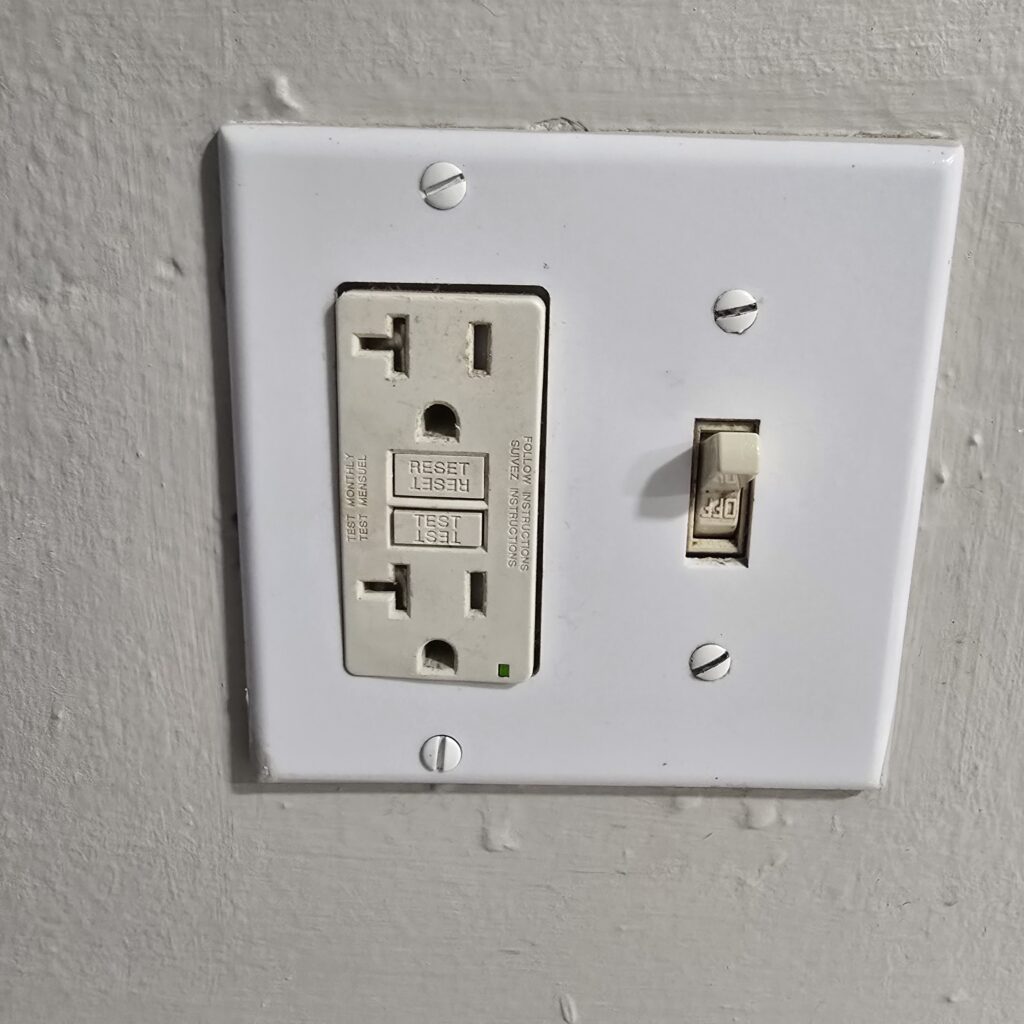
During a Felton rainstorm, water can find its way into outdoor electrical boxes through failed gaskets, cracked housing, or even through the conduit itself. Even a few drops of water inside a receptacle are enough to trigger a trip. This is why many homeowners lose power to their garage, patio, or outdoor kitchen as soon as the rain starts. While it is frustrating to have the power cut out, the GFCI is doing exactly what it was designed to do. It is reacting to a hazardous condition where the exterior of the fixture or the surrounding ground could have become electrified.
The real challenge with rain-induced GFCI trips is that the moisture often lingers long after the sun comes out. If a junction box has filled with water, it may take days to dry out naturally. Attempting to reset the GFCI while the internal components are still damp will only result in another immediate trip. This persistent state of failure is a sign that the weatherproofing of the system has been compromised. A professional electrician can open these enclosures, dry the components safely, and identify where the seal failed to ensure it does not happen during the next storm.
Corrosion and the Cumulative Impact of Moisture
While an immediate power trip is an obvious problem, the more insidious impact of rainy weather is the slow process of corrosion. Electricity and moisture together accelerate the oxidation of metal components. When water sits inside a light fixture or an outlet box, it reacts with the copper wires and brass terminals. This creates a layer of green or white crust known as oxidation. Unlike the clean metal it covers, this oxidation layer is a poor conductor of electricity.
Over several rainy seasons, this corrosion creates high resistance at the connection points. Resistance generates heat, and heat leads to the degradation of wire insulation and the plastic housing of the outlets. You might notice that your outdoor lights seem dimmer than they used to be, or that an outlet feels warm when you plug in a tool. These are warning signs that the moisture has compromised the integrity of the connection. In some cases, the corrosion can become so severe that the wire physically breaks away from the terminal, leading to a total loss of power that cannot be fixed by simply flipping a breaker.
The coastal influence in the Santa Cruz Mountains adds another layer of complexity to this issue. The rain and fog often carry microscopic salt particles from the Pacific Ocean. Saltwater is much more conductive and corrosive than fresh rainwater. This makes the electrical systems in Felton particularly susceptible to rapid degradation if they are not housed in high-quality, weather-tight enclosures. Choosing fixtures made of solid brass or copper rather than painted aluminum is a critical strategy for fighting the long-term corrosive impact of our local climate.
Saturated Ground and Underground Wiring Hazards
The impact of rain is not limited to what is above the ground. In many properties, the wiring for landscape lighting, well pumps, or detached garages is buried underground. While these wires are intended to be moisture-resistant, they are not immune to the effects of saturated soil. When the Santa Cruz Mountains receive heavy, sustained rainfall, the ground becomes a giant sponge. If the underground conduit was not installed with proper drainage or if the wire insulation has a tiny nick from a previous gardening project, the saturated soil will find that weakness.
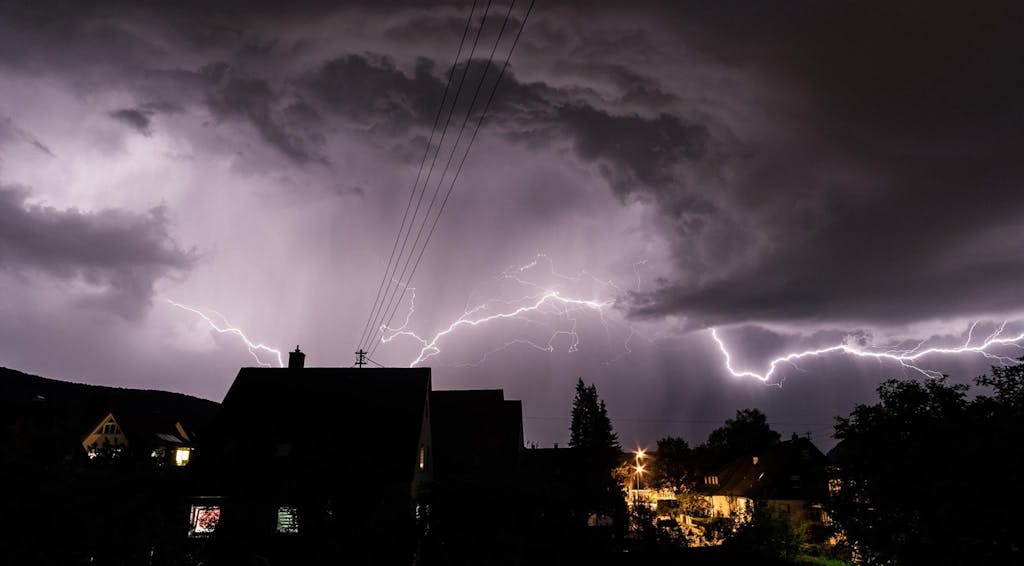
Water entering an underground conduit can cause a short circuit that is notoriously difficult to diagnose. Because the wire is hidden, you cannot see the bubbling or sparking that might occur at the failure point. Instead, you are left with a circuit breaker that trips repeatedly. In some cases, the water can even travel through the conduit and enter the electrical panel inside your home or garage. This creates a significant risk of fire and equipment damage deep within your home’s infrastructure.
Furthermore, heavy rain can lead to soil erosion and ground movement. In the sloped terrain of Felton, this movement can stretch or snap underground cables. If a retaining wall shifts or a section of a hillside slides during a storm, it can pull the electrical conduit apart, exposing the wires directly to the mud and water. Maintaining a safe outdoor electrical system requires ensuring that all underground runs are installed at the correct depth and housed in the proper type of rigid conduit to withstand the physical and environmental stresses of our mountain winters.
The Danger of Damaged Service Masts and Falling Branches
One of the most frequent emergency calls we receive during the rainy season involves the electrical service mast. This is the vertical pipe that rises from your electrical meter and supports the utility wires coming from the street. In the Santa Cruz Mountains, we live among dense forests filled with oaks and redwoods. During high winds and heavy rain, these trees shed branches, and occasionally, entire trees fall. When a branch strikes the service lines, it puts immense physical pressure on the service mast.
Want to know how to extend the life of your electrical panel? Click here for more information.
Rain makes this problem worse by weighting down the branches and softening the soil around the tree roots. If the service mast is pulled away from the side of the house, it can break the weather seal, allowing rainwater to run directly down the inside of the mast and into the electrical meter and main panel. This is an extremely dangerous situation that can lead to catastrophic electrical fires or explosions. If you see that your service mast is leaning or has pulled away from the siding, you should treat it as an emergency and avoid touching any part of the metal enclosure.
Repairing a weather-damaged service mast is a complex task that must be handled by a licensed professional. It involves coordinating with the utility company to shut off power at the pole so that the mast can be safely reattached and the weather-head replaced. Ensuring that the mast is securely braced and that the attachment point is properly flashed is essential for keeping the water out during future storms. Proactive tree trimming around your service lines is one of the best ways to prevent this type of rain-related electrical failure.
Landscape Lighting and Exterior Fixture Failures
Outdoor aesthetic lighting is often the first part of the system to fail during rainy weather. Many landscape lights are low-voltage systems that use a transformer to step down the power. While 12-volt systems are generally safer for outdoor use, they are still highly sensitive to moisture. The transformers themselves are often mounted outdoors, and if the housing is not perfectly sealed, rainwater can enter and fry the delicate internal circuitry.
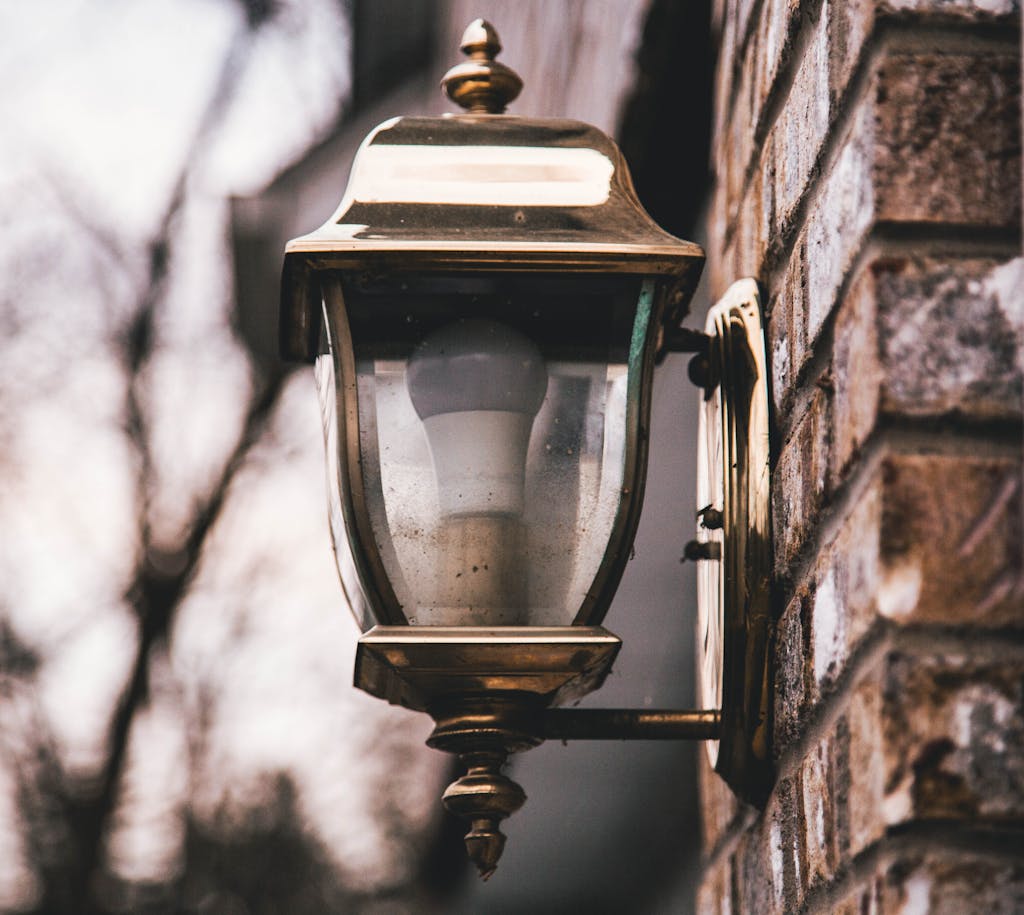
The fixtures themselves are also vulnerable. Landscape lights are positioned close to the ground where they are subject to splashing mud and standing water. If the lenses are not cleaned and the seals are not checked, water will enter the light and cause the bulb to burst or the socket to corrode. LED fixtures, while more durable, still contain electronic drivers that can be destroyed by water ingress. A safe outdoor lighting system requires fixtures that are specifically rated for wet locations and installed in a way that allows water to shed away from the electrical entry points.
Homeowners should also be aware of the “wicking” effect. This happens when water enters a wire at a damaged fixture and travels through the inside of the wire insulation, essentially using the wire as a straw to move moisture toward other parts of the system. This can carry water into junction boxes that were otherwise dry. Regularly inspecting your outdoor fixtures for signs of moisture or fogged-up lenses is a simple maintenance task that can prevent a much larger and more expensive repair later in the season.
Rainy weather is an inescapable reality of life in Felton, but its impact on your outdoor electrical system does not have to be a disaster. By understanding how moisture interacts with your home’s infrastructure—from the immediate protection offered by GFCIs to the long-term threat of corrosion and underground failures—you can take steps to protect your property. The key to a resilient system is high-quality materials, professional installation, and proactive maintenance. Ensuring that gaskets are intact, conduit is secure, and service masts are braced against the elements will keep your lights on and your family safe through the stormiest California winters. If the rains have exposed weaknesses in your exterior wiring or if you are tired of dealing with tripping breakers every time the clouds roll in, the expertise of a licensed professional can provide the weather-tight solutions you need for peace of mind.