
How to Make Your Home Ready for EV Charging
The transition to electric vehicles is no longer a futuristic concept for residents of Felton and the Santa Cruz Mountains. As more drivers make the switch from internal combustion engines to battery electric power, the focus has shifted from public charging infrastructure to the convenience of home charging. Having the ability to plug in your vehicle at the end of the day and wake up to a full battery is the primary benefit of EV ownership. However, most residential homes were built long before electric vehicles were a consideration. Preparing your property for this new technology involves more than just buying a charging unit and plugging it in. It requires a thoughtful evaluation of your home’s electrical capacity, a strategic plan for installation, and an understanding of the safety standards required to handle a significant and continuous electrical load.
Preparing your home for an EV charger is essentially an infrastructure project. It is one of the most substantial additions you can make to your electrical system, often rivaling the demand of an air conditioning unit or an electric furnace. For homeowners in our unique mountain environment, there are additional considerations such as distance from the main panel to the parking area, the condition of existing wiring in older homes, and the specific requirements for weatherproofing in our damp climate. By taking a proactive approach to these upgrades, you ensure that your charging experience is safe, efficient, and adds long term value to your property.
Assessing Your Current Electrical Capacity
The first and most critical step in preparing for an EV charger is determining if your electrical panel can actually handle the additional load. Most modern electric vehicle chargers, known as Level 2 chargers, require a dedicated 240-volt circuit, similar to what you would use for an electric clothes dryer or a kitchen range. These chargers typically draw between 32 and 48 amps of current. Because an EV charger is classified as a continuous load, meaning it can run for several hours at a time, the electrical code requires the circuit and the breaker to be rated for 125 percent of the charger’s output. This means a 40-amp charger actually requires a 50-amp circuit breaker.

Many older homes in Felton are equipped with 100-amp or even 60-amp electrical panels. If your panel is already supporting a refrigerator, a well pump, an electric water heater, and several household circuits, there may not be enough “headroom” to add a 50-amp EV circuit. Adding a high-draw device to an already maxed-out panel will lead to frequent tripping of the main breaker, plunging your entire house into darkness every time the car starts to charge. A professional electrician will perform a residential load calculation to determine the existing demand on your system. This calculation accounts for the square footage of your home and all existing appliances to ensure that adding the car charger will not compromise the safety of your home.
If the load calculation reveals that your system is at capacity, an electrical panel upgrade, often called a service heavy-up, is necessary. Upgrading to a 200-amp panel is the gold standard for modern homes. This provides the necessary physical space for the new double-pole breaker and ensures that your home’s main service can handle the combined demand of your lifestyle and your vehicle. While this adds to the initial cost of making your home EV-ready, it is a foundational improvement that increases the safety and functionality of your entire electrical system for decades to come.
Choosing the Right Location for Your Charger
The physical placement of your charging station is a decision that impacts both the cost of installation and the ease of daily use. For homes with an attached garage, the process is often straightforward, as the main electrical panel is usually located nearby. However, many properties in the Santa Cruz Mountains feature detached garages, carports, or outdoor parking pads located a significant distance from the house. The further the charger is from the panel, the more complex and expensive the installation becomes.
Need an EV charger install? Click here for our EV charger installation service.
When selecting a location, consider the orientation of your vehicle’s charging port. Unlike gasoline cars, where the fuel filler is usually in a predictable spot, EV charging ports can be located on the front grille, the front fender, or near the rear taillight depending on the manufacturer. You want to mount the charger in a spot where the cord can easily reach the port without being stretched tight or becoming a tripping hazard across the garage floor. Most home chargers come with a 20 to 25-foot cable, which offers some flexibility, but it is always best to position the unit as close to the parking spot as possible.
For outdoor installations, the equipment must be specifically rated for wet locations. Even under a carport, the fog and moisture prevalent in Felton can lead to corrosion if the wrong materials are used. Professional installation involves using weather-tight conduit and fittings to protect the high-voltage wires from the elements. Furthermore, if you are installing a charger at a parking spot far from the house, it may require trenching. This involves digging a path for the conduit at a specific depth required by code to protect the line from accidental damage by gardening tools or erosion. Planning these physical details early prevents surprises during the installation process and ensures a clean, professional look.
Understanding Level 1 Versus Level 2 Charging
Every electric vehicle comes with a basic Level 1 charging cord that can be plugged into a standard 120-volt household outlet. While this is the simplest way to get power into your car, it is rarely a viable long-term solution for most drivers. Level 1 charging is incredibly slow, typically adding only about three to five miles of range per hour of charging. For a modern EV with a large battery, it could take over 40 hours to reach a full charge from empty. For Felton residents who may have longer commutes over the hill or up into the mountains, Level 1 charging simply cannot keep up with daily driving needs.

Transitioning to Level 2 charging is what truly makes a home EV-ready. A Level 2 station operates on 240 volts and can add between 25 and 40 miles of range per hour. This allows most drivers to fully replenish their battery overnight, even after a long day of driving. Level 2 chargers can be either hardwired directly into your home’s electrical system or plugged into a heavy-duty NEMA 14-50 outlet. Hardwiring is generally preferred by electricians because it eliminates a potential point of failure—the plug and outlet connection—and allows for higher charging speeds.
It is also important to note that the wiring for a Level 2 charger is a significant safety upgrade over using a standard wall outlet. Standard 120-volt outlets in older garages were often not intended for the sustained, high-amperage draw that an EV requires. Using a standard outlet for hours on end can lead to overheating, melted plastic, and fire hazards. By installing a dedicated Level 2 circuit, you are providing a path for the electricity that is specifically engineered to handle the heat and load, providing peace of mind along with faster charging.
The Importance of Smart Charging and Connectivity
As you prepare your home, you should consider whether you want a basic “dumb” charger or a “smart” charging station. A basic charger acts as a simple bridge between your home’s power and the car, beginning to charge as soon as it is plugged in. A smart charger, however, connects to your home’s Wi-Fi network and offers a variety of advanced features. These units allow you to monitor your energy usage through a smartphone app, track the cost of your charging, and schedule charging for specific times of day.
Want to know how to extend your electrical panel’s life? Click here for more information.
Scheduling is a particularly valuable feature for California homeowners. Many utility companies offer time-of-use rates where electricity is significantly cheaper during the middle of the night when demand on the grid is low. A smart charger can be programmed to wait until midnight to start charging, even if you plug the car in at six in the evening. This ensures you are always getting the lowest possible rate for your fuel. Some smart chargers can even integrate with home solar systems, allowing you to prioritize charging your car using only the excess energy generated by your panels, essentially allowing you to drive on sunshine.
To make your home ready for a smart charger, you must ensure you have a strong Wi-Fi signal in your garage or at your parking area. The thick walls of mountain homes or the distance to a detached garage often act as barriers to wireless signals. You may need to install a Wi-Fi extender or a mesh network node near the charger location to ensure it stays connected. Having this connectivity also allows the charger to receive over-the-air software updates from the manufacturer, which can improve performance and add new features over the life of the unit.
Safety Standards and Professional Installation
The DIY spirit is strong in our community, but EV charger installation is a project that strictly requires the expertise of a licensed C-10 electrical contractor. This is not just a recommendation; it is a matter of safety and legality. Because of the high voltage and continuous load involved, the National Electrical Code has very specific requirements for how these systems must be installed. This includes the exact gauge of wire required, the type of insulation on that wire, and the specific torque settings for the connections inside the panel and the charger.
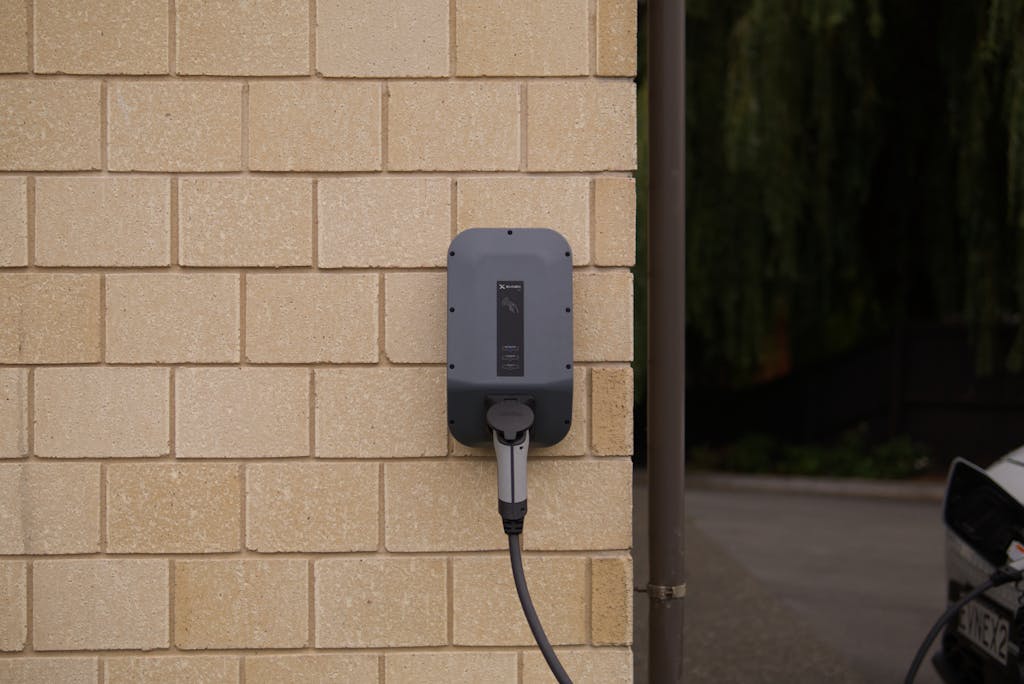
A professional electrician ensures that the installation is fully code-compliant and permitted through the county. Having a permit is essential for several reasons. First, it involves an inspection by a building official who verifies that the work was done safely, protecting your family and your property. Second, most EV manufacturers require proof of professional installation to honor the warranty on the charging unit. If a self-installed charger fails or damages the vehicle, you may be left with no recourse. Finally, unpermitted electrical work can be a major liability when it comes time to sell your home or if you ever need to file an insurance claim related to an electrical fire.
Furthermore, a professional will check for existing issues that a homeowner might overlook. For example, they will ensure that the grounding system of your home is robust enough to handle the charger. Electric vehicles are sensitive to grounding issues, and a poor ground can cause the charger to fault or even damage the car’s onboard electronics. They will also ensure that the circuit is protected by the correct type of breaker, including GFCI protection if required by current codes. Trusting the experts at Beach Electrical means your home is ready for the future without compromising the safety of the present.
Making your home ready for an electric vehicle is an investment in the modern era of transportation. It transforms your property from a traditional residence into a personal refueling station, offering a level of convenience that gasoline-powered vehicles simply cannot match. By starting with a comprehensive assessment of your electrical panel, choosing a strategic and weather-protected location, and opting for the speed and safety of a Level 2 dedicated circuit, you are setting the stage for a seamless EV ownership experience. Whether you are preparing for your first electric car or upgrading your home to accommodate a growing fleet of clean vehicles, the focus must remain on capacity, safety, and professional standards. In the unique environment of Felton and the Santa Cruz Mountains, these upgrades ensure that your home remains a safe and efficient sanctuary while you enjoy the benefits of driving into a greener future.