
How to Know If Your Electrical Wiring Is Outdated
The charm of living in Felton and the surrounding Santa Cruz Mountains often lies in the unique character of the homes. Many properties in this area are decades old, ranging from historic turn of the century cabins to mid century modern ranchers. While these structures have stood the test of time, the systems hidden within their walls often have not. The electrical wiring in older homes was designed for a different era. It was intended to power a few incandescent light bulbs and perhaps a radio, not the high demand environment of today filled with computers, smart appliances, large televisions, and electric vehicles. This discrepancy between modern electrical loads and vintage infrastructure is not just an inconvenience. It is a significant safety hazard. Recognizing the signs of outdated wiring is the first step in protecting your home and family from the risks of electrical fires and system failures.
Visual Clues of an Antiquated System
One of the most obvious indicators of outdated wiring can be found right on your walls. Take a look at your electrical outlets. If you see two prong outlets, it is a clear sign that your home’s wiring is effectively obsolete. Two prong outlets indicate that the electrical system lacks a ground wire. The ground wire is a critical safety feature that provides a safe path for excess electricity to escape in the event of a fault or surge. Without it, that excess electricity has nowhere to go but through the device plugged in or, worse, through a person touching it. While adapters exist to allow three prong plugs to fit into two prong outlets, they do not solve the underlying safety issue. They simply bypass the safety mechanism, leaving your sensitive electronics and your family vulnerable to shock and surge damage.

Another visual warning sign is the condition of the outlets and switches themselves. If you notice discoloration, scorch marks, or melting around the slots of an outlet, it indicates that the wiring behind the wall is overheating. This heat is often caused by loose connections or wires that are too small for the current flowing through them. Similarly, if the wall plate feels warm to the touch, it is a red flag. Switches and outlets should never generate perceptible heat during normal operation. This physical warmth is evidence of electrical resistance, which is the precursor to an electrical fire.
You should also inspect any visible wiring in unfinished areas like attics, basements, or crawl spaces. In many older Felton homes, you might spot wiring with insulation that looks frayed, cracked, or brittle. Wiring insulation is made of plastic or rubber, and these materials degrade over time due to heat and age. In very old homes, the insulation might be made of cloth, which can rot and fall away entirely. When the insulation is compromised, the bare metal wires are exposed. This creates a high risk of short circuits, arcing, and fire, especially in areas where rodents might nest or where combustible materials are stored.
The Sounds and Smells of Electrical Failure
Your electrical system should operate silently and without producing any odors. If your home is making noise, it is trying to tell you something is wrong. A buzzing, sizzling, or crackling sound coming from an outlet, switch, or light fixture is a severe warning sign. This sound is usually caused by electrical arcing. Arcing occurs when electricity jumps across a gap between two connections, typically due to a loose wire or a broken component. This tiny bolt of lightning creates intense heat, which can easily ignite the surrounding materials inside the wall. This is not a nuisance that can be ignored. It is an immediate fire hazard that requires urgent professional attention.
Need your electrical wiring looked at? Click here for our electrical wiring service.
Smell is another powerful indicator of outdated or failing wiring. A persistent burning smell, often described as smelling like burning plastic or fish, is a classic symptom of an electrical overheat. This odor is produced when the plastic insulation around wires or the plastic housing of an outlet begins to melt due to excessive heat. The scary reality is that this smell often originates inside the walls, meaning the fire risk is hidden from view. If you detect this scent, you should try to identify the source immediately, but more importantly, you should shut off the power to that circuit and call an electrician. Ignoring this smell because you cannot see smoke is a dangerous gamble.
These sensory clues are often intermittent. A buzzing sound might happen only when a certain light is turned on, or a burning smell might appear only when the dryer is running. This inconsistency does not mean the problem is minor. It simply means the specific conditions required to create the arc or overheat happen under load. The underlying damage to the wiring remains and will worsen over time until it fails completely.
Performance Issues and Daily Frustrations
Outdated wiring often reveals itself through poor performance. If your lights flicker or dim every time the refrigerator compressor kicks on or when you use the microwave, your system is struggling. This dimming is a sign of voltage drop. It means the wiring is not heavy enough to carry the amount of current being drawn, or that there are too many outlets on a single circuit. In modern homes, heavy appliances like refrigerators and microwaves have their own dedicated circuits to prevent this. In older homes, they often share a circuit with the kitchen lights and living room outlets, leading to an overloaded system that cannot maintain steady voltage.
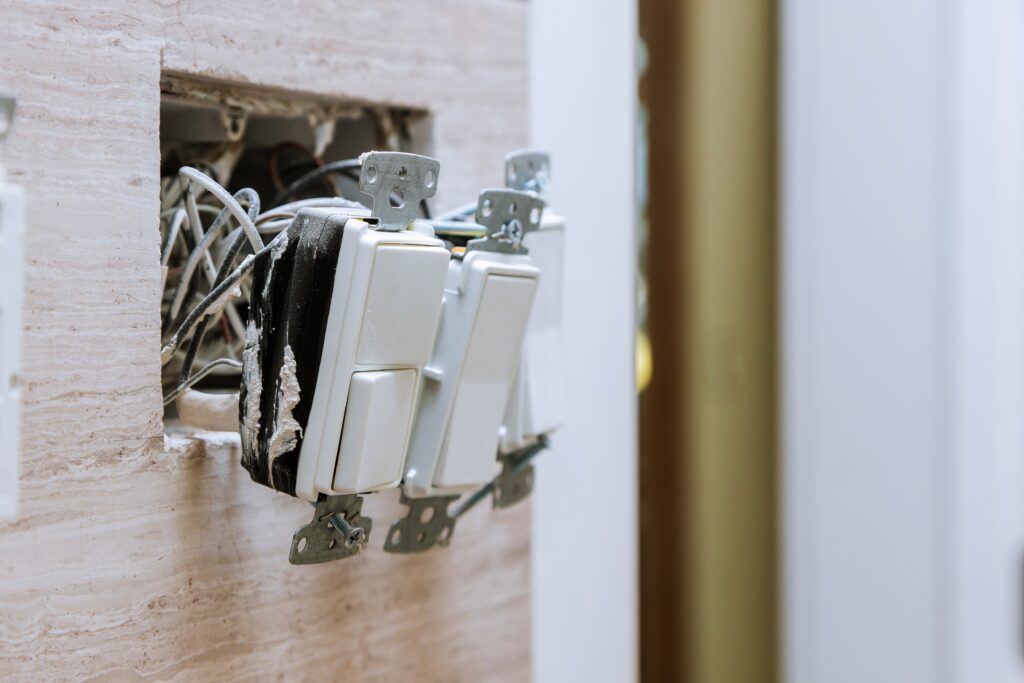
Frequent circuit breaker trips or blown fuses are another clear signal. A circuit breaker is a safety device designed to cut power when the current exceeds safe levels. If you find yourself resetting breakers constantly, it is not a sign of a faulty breaker. It is a sign that you are asking your electrical system to do more than it was designed to do. Older panels often have lower amperage capacity, such as 60 or 100 amps, which is insufficient for a modern home with electric heating, air conditioning, and multiple high tech devices. Continuously resetting a breaker without addressing the root cause of the overload can eventually cause the breaker mechanism to fail, leaving the circuit unprotected.
A reliance on extension cords and power strips is a lifestyle indicator of outdated wiring. Codes for outlet spacing have changed significantly over the years. Older rooms may have only one or two outlets, forcing homeowners to daisy chain power strips to plug in lamps, chargers, and televisions. This practice is dangerous. Extension cords are intended for temporary use, not permanent wiring. They can easily be overloaded, become tripping hazards, or get pinched under furniture, leading to short circuits. If you cannot plug in your devices without an extension cord, your home’s electrical infrastructure is outdated and needs to be expanded to meet your needs safely.
The Danger of Knob and Tube Wiring
For homes built before the 1950s, which includes many historic properties in the Santa Cruz Mountains, the presence of knob and tube wiring is a major concern. This is an early standardized method of electrical wiring that is now considered obsolete and dangerous for modern usage. The system uses porcelain knobs to support the wires and porcelain tubes to protect them as they pass through wood framing. The wires themselves are individually separated, with the hot and neutral wires running parallel but apart from each other.
There are several reasons why knob and tube is incompatible with modern safety standards. First and foremost, it lacks a ground wire. As mentioned earlier, this leaves appliances and people unprotected. Second, the insulation on knob and tube wiring is made of rubber soaked cloth. Over decades, this cloth becomes brittle and flakes off, leaving bare live wires exposed in your attic or walls. This deterioration is inevitable and irreversible. Third, knob and tube wiring was designed to dissipate heat into the free air space around it. In many renovations, homeowners or contractors have blown insulation into the walls or attic over the wiring. This traps the heat, preventing the wires from cooling down and creating a significant fire hazard.
Finally, the connections in knob and tube systems were not made with junction boxes as they are today. They were often soldered and taped, and over time, that tape dries out and falls off. Modifications made to these systems over the last 70 years are often done incorrectly, with modern wiring spliced into the old system in unsafe ways. If your home has knob and tube wiring, it is not just outdated; it is a liability that most insurance companies will refuse to cover.
The Risks of Aluminum Wiring
If your home was built or renovated between the mid 1960s and early 1970s, you face a different but equally serious risk: aluminum wiring. During a period of high copper prices, aluminum was used as a cheaper alternative for residential branch wiring. While aluminum is a good conductor, it has properties that make it problematic for connections designed for copper. Aluminum expands and contracts with temperature changes much more than copper does. This significant thermal expansion causes the wire to slowly wiggle itself loose from the screws at outlets, switches, and light fixtures.

A loose connection, as discussed, increases electrical resistance and causes oxidation. Aluminum oxide, which forms when the metal is exposed to air, creates even more resistance and heat. This cycle of loosening and heating creates a high risk of fire at every connection point in the house. While aluminum is still used safely today for main service entry lines, its use for the small branch circuits inside the home is a known hazard. Symptoms include flickering lights and warm cover plates, but often the problem is silent until a failure occurs. Addressing aluminum wiring does not always require a full rewire, but it does require specialized connectors and a professional electrician who knows how to remediate the system safely.
The Impact on Insurance and Resale Value
Outdated wiring is not just a physical problem; it is a financial one. Insurance companies are well aware of the fire risks associated with knob and tube wiring, aluminum wiring, and ungrounded systems. Many carriers will simply refuse to write a new policy for a home with these systems, or they will require a massive premium increase. If you are buying a home in Felton, your inspection may uncover these issues, making it difficult to secure a mortgage or insurance until the wiring is updated.
Not sure if you should rewire your old home? Click here for more information.
For current homeowners, outdated wiring limits the resale value of the property. Savvy buyers and their home inspectors will identify these issues immediately. They will view the home as a project that requires a significant capital investment to make safe. This often leads to demands for price reductions or credits to cover the cost of a rewire. Upgrading your electrical system is one of the few home improvements that offers a return on investment not just in value, but in the essential marketability of the home. A home with a modern, permitted, and safe electrical system is far more attractive to buyers than one that poses a fire risk.
Why Professional Assessment is Essential
Determining the true state of your electrical wiring is not a DIY project. While you can spot the visual signs like two prong outlets or frayed wires, much of the system is hidden behind drywall and plaster. You cannot see the condition of the connections inside junction boxes or the state of the wiring running through the ceiling joists. A licensed electrician with a C-10 license has the training and tools to perform a comprehensive assessment. They can measure voltage drops, test the integrity of the grounding system, and inspect the main panel for evidence of overheating or corrosion.
In the coastal and mountain environments of Santa Cruz County, corrosion is an added factor that accelerates the aging of electrical components. A professional can distinguish between minor surface rust and structural degradation that compromises safety. They can also give you a realistic timeline and budget for necessary upgrades. You may not need a total rewire immediately. A professional might recommend a panel upgrade first, followed by a strategic replacement of the most dangerous circuits. This expert guidance helps you prioritize safety and budget effectively.
Electricity is a silent, powerful force that we rely on for nearly every aspect of modern life. In the historic and diverse homes of Felton and the surrounding areas, the wiring that carries this power is often struggling to keep up. From the visible warning signs of ungrounded outlets and flickering lights to the hidden dangers of deteriorating knob and tube or loosening aluminum connections, outdated wiring is a serious threat to your home and family. It compromises your safety, risks your property, and can even jeopardize your insurance coverage. Ignoring these signs allows the degradation to continue until a failure occurs. The only way to ensure your home is safe is to acknowledge the age of your system and seek the evaluation of a qualified professional. Investing in modern wiring is investing in the longevity of your home and the safety of everyone who lives inside it.