
How to Avoid Power Loss When Using Multiple High-Demand Devices
Modern life in Felton and the Santa Cruz Mountains runs on electricity. We rely on it for everything from heating our homes and cooking our meals to powering our home offices and charging our electric vehicles. This increased reliance comes with a hidden cost. Our homes, especially the older ones common in our area, were often not designed to handle this level of simultaneous demand. You may have experienced the frustration of turning on a space heater while the microwave is running, only to have the lights go out. This sudden loss of power is almost always caused by an overloaded circuit. It is a safety mechanism kicking in to protect your home, but it is also a sign that your electrical habits or your system itself need adjustment. Avoiding these nuisance trips requires understanding how your home consumes energy and making strategic changes to how you use it.
Understanding Electrical Load and Circuit Capacity
To prevent power loss, you must first understand what is happening inside your walls. Your electrical panel divides the power coming into your home into distinct circuits. Each circuit is protected by a breaker, which is rated for a specific amount of amperage, usually 15 or 20 amps for standard room circuits. This rating is the maximum amount of electrical flow the wire can safely handle without overheating. When you plug in a device, it draws a certain amount of current. If you plug in multiple devices whose combined current exceeds the breaker’s rating, the breaker trips and cuts the power.

This is not a malfunction. It is a critical safety feature preventing the wires from melting and starting a fire. The problem arises because many homeowners do not know which outlets share the same circuit. In many older homes, a single circuit might power all the outlets in the living room and the bedroom. If you have a computer running in the bedroom and someone turns on a vacuum cleaner in the living room, the combined load can easily overwhelm that single shared circuit. Knowing the layout of your circuits is the first step in managing your electrical load effectively.
Identify the Energy Hogs in Your Home
Not all appliances are created equal. A phone charger or a LED lamp draws a negligible amount of power. You could plug dozens of them into a single circuit without issue. The real culprits behind power loss are devices that generate heat or use powerful motors. These “energy hogs” draw a massive amount of amperage, often pushing a standard circuit near its limit all on their own. Common examples include hair dryers, space heaters, toaster ovens, coffee makers, and microwaves.
Need an electrical service upgrade? Click here for our electrical upgrade service.
Space heaters are particularly notorious in our area during the chilly winter months. A typical portable heater can draw 1,500 watts, which is roughly 12.5 amps. If that heater is plugged into a 15 amp circuit, you have only 2.5 amps left for everything else on that circuit. Turning on a single light bulb might be enough to trip the breaker. High performance electronics like gaming computers or laser printers also draw significant power, especially when they are starting up. By identifying these high demand devices, you can begin to manage when and where you use them.
The Strategy of Load Balancing
The most immediate solution to preventing breaker trips is a technique called load balancing. This simply means being conscious of what is running simultaneously on a single circuit. If you know that your kitchen outlets share a circuit, you should avoid running the microwave and the toaster oven at the same time. Using them sequentially takes a few extra minutes but ensures your power stays on.
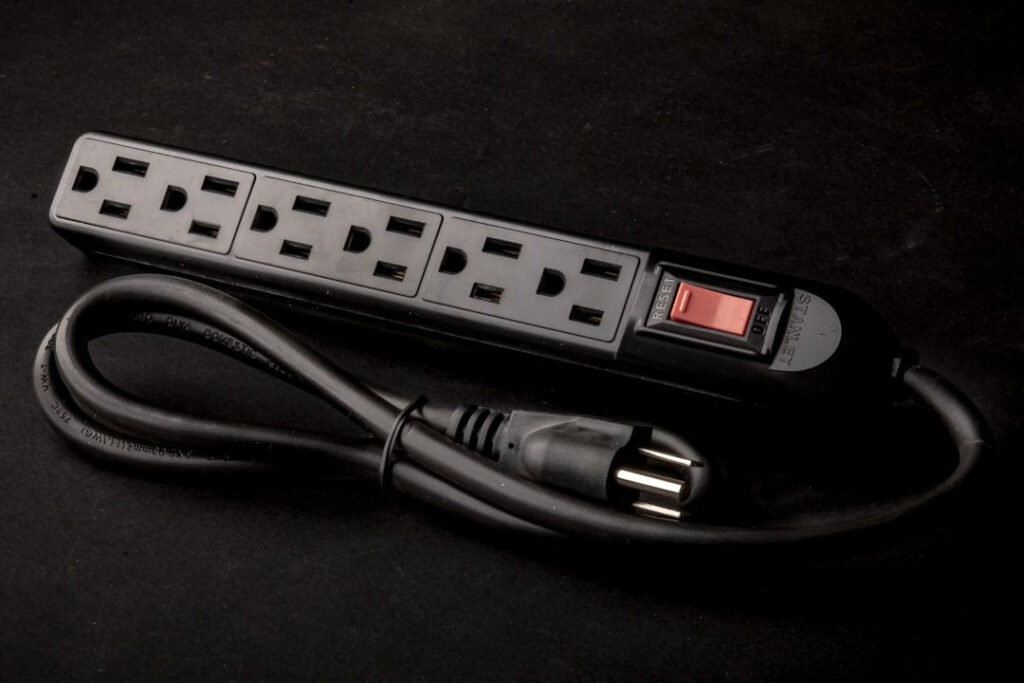
This strategy extends to other rooms as well. If you are using a hair dryer in the bathroom, do not run a space heater in the adjacent bedroom if they share a wall and likely a circuit. You can also redistribute your devices physically. If you have a home office setup with a computer, printer, and heater, try plugging the heater into an outlet on a different wall or in the hallway. Often, outlets on opposite walls are on different circuits. Using a heavy duty extension cord to reach an outlet on a separate circuit can be a temporary fix, but never use a standard light duty cord for high wattage appliances as this creates a fire hazard.
The Importance of Dedicated Circuits
For permanent appliances or heavy daily use, reliance on load balancing is often not enough. The most robust solution is the installation of dedicated circuits. A dedicated circuit is a power line that runs from your electrical panel to a single outlet, serving only one specific appliance. This ensures that the appliance has access to the full capacity of the circuit breaker without competing with lamps or other devices.
Want to know reasons to replace your outlets or switches? Click here for more information.
Modern building codes require dedicated circuits for major appliances like refrigerators, dishwashers, and washing machines. However, in older homes, these may not exist. Installing a dedicated circuit for your home office, your bathroom, or a specific location for a portable heater eliminates the risk of overloading your general lighting circuits. This is also a requirement for Level 2 EV chargers, which draw a continuous high load that cannot be shared with anything else. If you frequently lose power in a specific area like the kitchen or garage, adding a dedicated circuit is often the correct long term repair.
When to Consider a Panel Upgrade
Sometimes the issue is not how you are using the power, but the total amount of power available. Many vintage homes in Felton and the San Lorenzo Valley still operate on 60 amp or 100 amp electrical panels. These panels were sufficient decades ago but are woefully inadequate for a modern lifestyle. If you find that you are constantly juggling appliances or that your main breaker is tripping, it indicates that your entire home is drawing more power than the main service can provide.

In this scenario, no amount of load balancing will solve the problem. You need a service panel upgrade. This involves replacing your existing electrical panel with a new, higher capacity unit, typically 200 amps. This upgrade increases the total amount of electricity your home can receive from the utility grid. It allows you to run multiple high demand appliances simultaneously without fear of shutting down the house. It also provides the necessary physical space in the box to add new circuits for renovations or new equipment.
Losing power when using your appliances is frustrating, but it is a solvable problem. It serves as a warning that your electrical system is being pushed beyond its safe limits. By identifying the high wattage devices in your home and practicing mindful load balancing, you can reduce the frequency of these nuisance trips. However, for a permanent and safe solution, you may need to look at your infrastructure. Installing dedicated circuits for heavy users or upgrading an outdated electrical panel ensures your home has the stable, reliable power it needs. If you are tired of resetting breakers or need help evaluating your home’s capacity, reach out to a licensed professional who can assess your system and recommend the right upgrades for your needs.