
Debunking 5 Common Electrical Myths
Electricity is one of the most essential and powerful forces in our modern lives. It is also one of the most mysterious. For most homeowners, the intricate network of wires, breakers, and outlets that runs silently behind the walls is a complete enigma. This mystery often gives rise to a set of “common knowledge” and passed-down wisdom about how electricity works. While some of this advice is harmless, many prevalent electrical myths are dangerously incorrect and can lead to a false sense of security, putting your property at risk of fire and your family at risk of serious injury.
Making safe decisions about your home’s electrical system requires separating fact from fiction. The belief that a “working” outlet is a “safe” outlet, or that a repeatedly tripping breaker is just a minor annoyance, can have devastating consequences. A proper understanding of the principles behind electrical safety is not just for professionals; it is a vital part of responsible homeownership. It is time to shine a light on some of the most common and hazardous electrical myths to provide the factual understanding needed to keep your home and family safe.
Myth #1: A Tripped Circuit Breaker Just Needs to Be Reset
This is perhaps the most common electrical event in any household. The power goes out in a room, you walk to your electrical panel, find the one switch that is out of line, flip it back on, and the lights come back to life. For many, this is seen as a random, minor annoyance. The myth is that the breaker’s job is to simply be reset so you can carry on with your day.
The reality is that a circuit breaker is a critical and incredibly important safety device. Its sole purpose is to protect the electrical wiring inside your walls from overheating and causing a fire. It is constantly monitoring the flow of electrical current through a circuit, and when that flow exceeds the safe limit for the wires, it trips to cut the power. This does not happen randomly; it happens for a specific reason. The most common cause is a simple overload, where too many high-power devices are plugged into a single circuit. If you reset the breaker after unplugging an appliance and it stays on, you have likely solved the immediate problem.

However, if a breaker trips repeatedly, it is a clear and persistent warning sign that should never be ignored. It could indicate a more dangerous condition like a short circuit, where a hot wire is touching a neutral wire, or a ground fault, where electricity is leaking from the circuit. Both of these conditions pose a significant fire and shock hazard. Continuously resetting a breaker without addressing the underlying cause is like repeatedly hitting the snooze button on a fire alarm. The correct action is to call a licensed electrician to diagnose the root cause of the trips and ensure the circuit is safe.
Have a breaker that keeps tripping? Click here to learn more about our electrical inspections!
Myth #2: Electrical Tape Is a Safe Fix for Damaged Cords and Wires
Everyone has seen it: a frayed power cord on a lamp or appliance that has been “repaired” with a few wraps of black electrical tape. The myth is that this is a safe, acceptable, and permanent fix for a damaged cord.
While electrical tape has its place in a professional’s toolkit, its intended purpose is not to act as the primary insulator for a damaged wire. It is primarily used for bundling and organizing wires or providing a final layer of protection over a professionally made, mechanically sound, and properly insulated splice. Standard vinyl electrical tape is not a durable, long-term solution for a damaged cord. The adhesive can dry out and fail over time, especially when exposed to heat, moisture, or abrasion, leaving the damaged section of wire exposed once again.
Furthermore, a frayed or cracked outer sheathing on a cord is often a sign that the internal copper wires have also been stressed or damaged. The tape does absolutely nothing to repair this underlying structural weakness. The only truly safe solution for a power cord that is frayed, cracked, or damaged in any way is to replace it entirely. For damaged permanent wiring within your walls, the damaged section must be professionally cut out and a new section of wire must be spliced in using a code-compliant, fully enclosed junction box.
Myth #3: It’s Okay to Put a Bigger Fuse or Breaker in for a Circuit That Keeps Tripping
This is one of the most dangerously misguided electrical myths, and it stems from a fundamental misunderstanding of how a circuit breaker works. The logic seems simple to some: if a 15-amp breaker in the panel keeps tripping, replacing it with a 20-amp breaker will solve the problem.
The reality is that this action does not solve the problem; it disables the safety solution. An electrical system is a precisely engineered balance. The circuit breaker is not chosen arbitrarily; its size is specifically matched to the gauge, or thickness, of the wire it is designed to protect. A 15-amp breaker is installed on a circuit with 14-gauge copper wire. A 20-amp breaker is used with a thicker 12-gauge wire. The breaker’s job is to trip before the wire itself gets hot enough to start a fire.
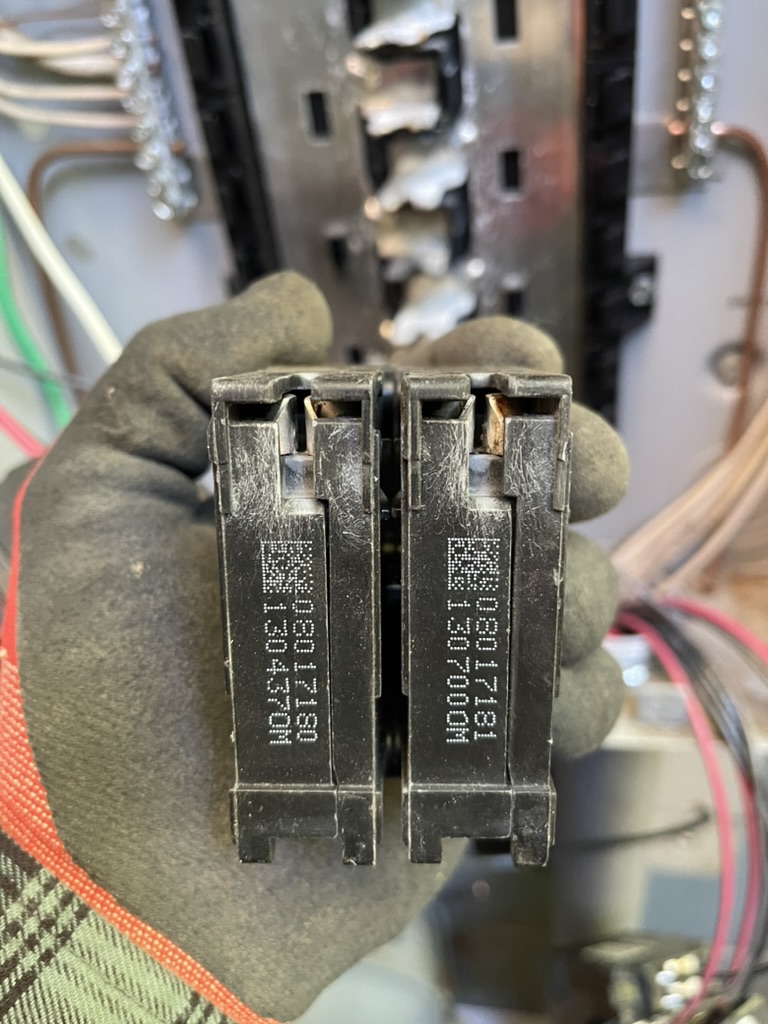
By putting a 20-amp breaker on a circuit with 14-gauge wire, you are creating an extremely dangerous situation. You are now allowing up to 20 amps of current to flow through a wire that is only rated to safely handle 15 amps. The wire will get dangerously hot inside your walls, but the new, oversized breaker will not trip because it has been told that 20 amps is an acceptable amount of current. This is a guaranteed way to overheat your wiring, melt its protective insulation, and start a fire. A circuit breaker’s size must always match the wire it is protecting.
Thinking it may be time for a new electrical panel? Click here to learn about our upgrades!
Myth #4: Ground Wires Aren’t Really Necessary
In many older homes, two-prong outlets that lack a ground connection are still common. The myth is that since an appliance will still power on when plugged into one of these outlets (often with a “cheater” plug adapter), the ground wire must be an optional or unnecessary feature.
In truth, the ground wire is one of the most critical life-saving features of a modern electrical system. Its purpose is to provide a safe path for stray electrical current to travel to the earth in the event of a fault or short circuit within an appliance.
Imagine a scenario where a live wire inside an appliance like a toaster or a washing machine comes loose and makes contact with the device’s metal casing. Without a ground wire, the entire metal exterior of that appliance becomes energized, carrying a lethal voltage. It is an invisible and silent hazard, waiting for someone to touch it. When a person touches that energized appliance, their body becomes the path of least resistance for the electricity to travel to the ground, resulting in a severe or fatal electric shock. With a proper ground wire in place, that same stray current would have an immediate, low-resistance path back to the panel, causing a massive surge of current that would instantly trip the circuit breaker and eliminate the danger. The ground wire is not optional; it is essential.
Myth #5: As Long as It Works, It’s Safe
Many homeowners operate under the assumption that if they can plug something in and it turns on, the underlying wiring must be safe. This “if it ain’t broke, don’t fix it” mentality is one of the most dangerous myths in home maintenance. The simple fact that an outlet, switch, or light fixture “works” is absolutely not an indicator of its safety.
Electrical systems can function for decades with hidden, dangerous defects just waiting for the right conditions to fail. This is particularly true in the beautiful, older homes found throughout Felton and the Santa Cruz Mountains, many of which may have outdated wiring systems like knob-and-tube or early non-metallic sheathed cable that lacks a ground wire. These systems can still power a lamp, but they lack the fundamental safety features of a modern electrical system, and their insulation can be brittle, cracked, and hazardous.
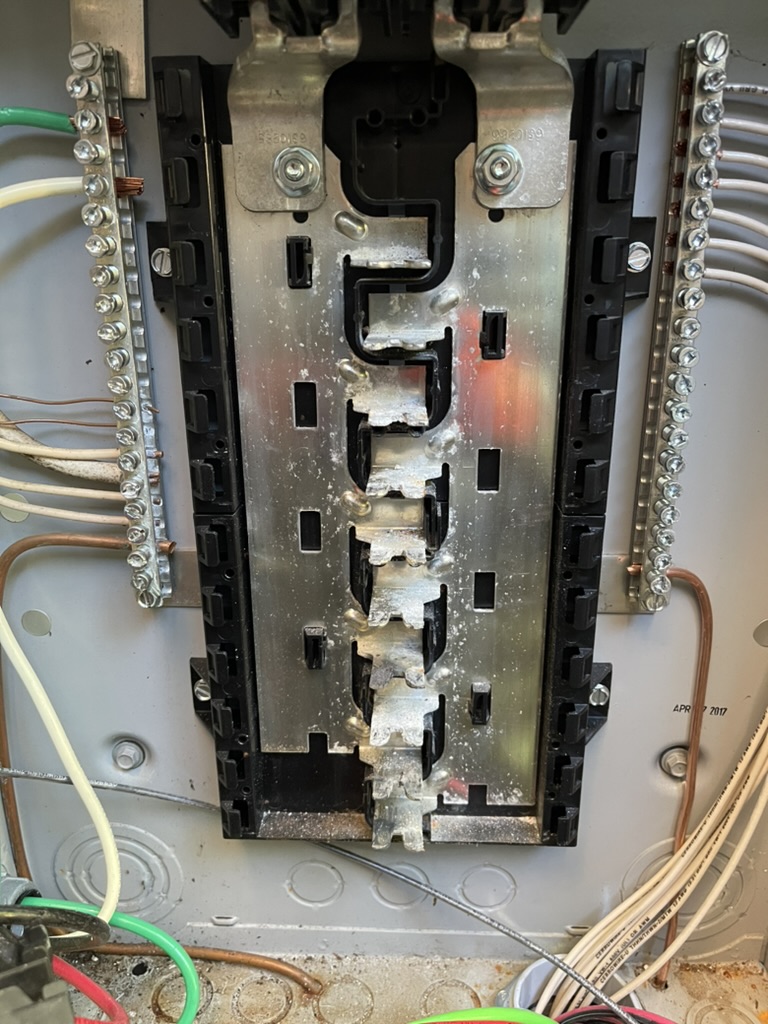
Furthermore, improper connections made during a past remodel or a DIY project can function for years while being a ticking time bomb. A loose connection in a junction box, an outlet that is not securely fastened, or mismatched wire gauges can all create points of high resistance. This resistance generates intense heat that can build up over time, eventually becoming hot enough to ignite the surrounding wood and insulation inside your wall. The only way to know if your wiring is truly safe is to have it inspected by a professional who can identify these hidden dangers.
Your home’s electrical system demands respect and a commitment to safety. The myths and misinformation that surround electrical work can lead to dangerous practices and a false sense of security. A tripped breaker is a warning, a “working” outlet is not necessarily a safe one, and safety features like grounding are absolutely essential.
Navigating the complexities of your home’s wiring is not something you should have to do alone. Rather than relying on outdated advice or taking a chance with a DIY project, the safest and smartest choice is always to consult a professional. If you have any concerns about the safety of your electrical system, contact the licensed and experienced professionals at Beach Electrical. We are dedicated to serving the homeowners of Felton and the surrounding Santa Cruz County area with honest advice and expert workmanship to ensure your home is truly safe.