
Why Older Homes Struggle With Winter Power Demands
The transition into winter in Felton and the San Lorenzo Valley brings a dramatic shift in how we inhabit our homes. The lush, damp air of the Santa Cruz Mountains turns crisp, and the sunlight disappears early behind the towering redwoods. For those living in the region’s many historic cabins, mid-century ranchers, and vintage forest homes, this change in weather is more than just a seasonal shift. It is a rigorous stress test for the electrical infrastructure hidden within the walls. Older homes possess an undeniable charm and a connection to the local history, but their electrical systems were often engineered for an era that bears little resemblance to our current reality. When the thermometer drops, the friction between vintage wiring and modern convenience becomes a significant challenge for homeowners.
During the summer months, these older systems often hum along without much notice, perhaps supporting a few lights, a refrigerator, and some light electronics. However, the arrival of winter fundamentally alters the electrical load profile of a household. We spend more time indoors, consume more lighting, and most importantly, we employ various methods to stay warm. It is this sudden surge in demand that exposes the limitations of aging systems. Understanding why older homes struggle during the winter is the first step in ensuring that your property remains safe and functional throughout the stormiest months of the year.
The Discrepancy Between Vintage Capacity and Modern Load
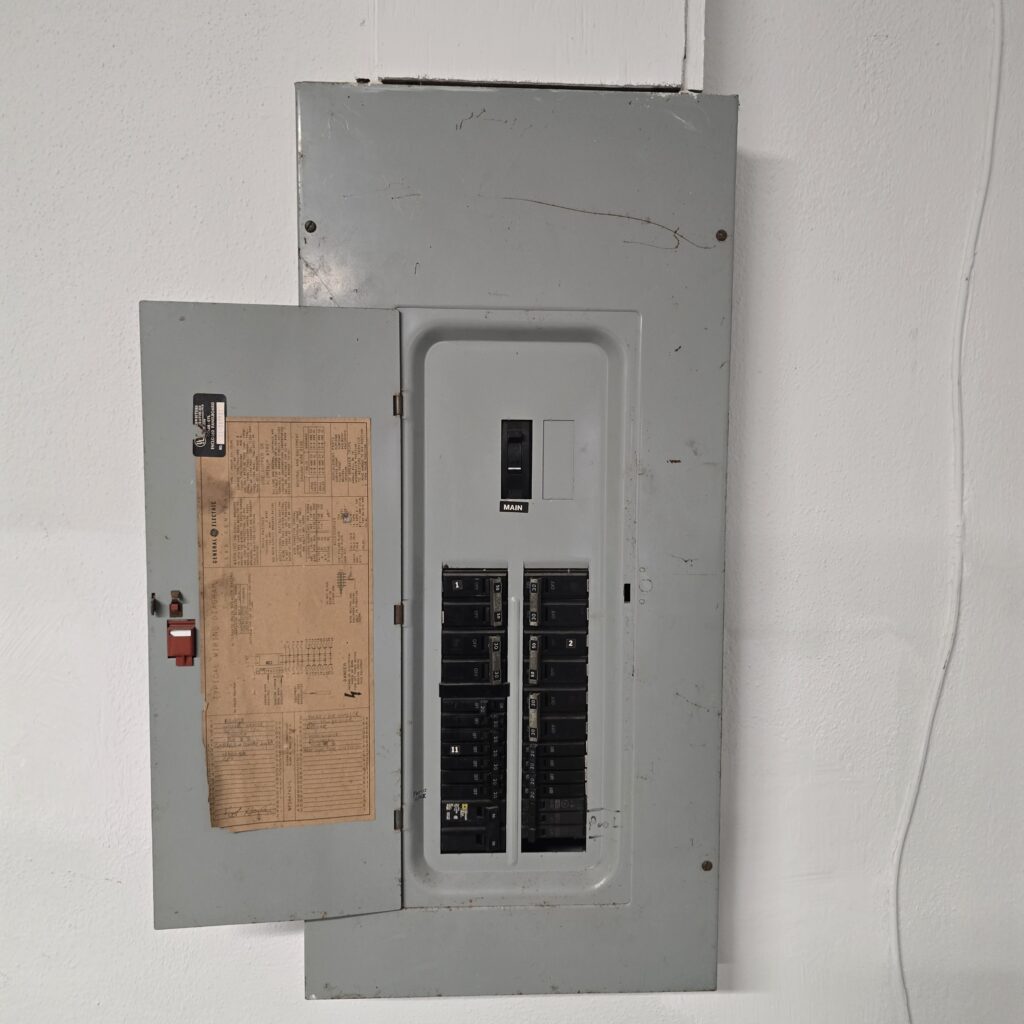
The primary reason older homes struggle in winter is a simple matter of capacity. Many of the original homes in Felton were wired at a time when a hundred-amp service was considered a luxury, and sixty-amp services were standard. In the mid-twentieth century, a typical family might have owned a single television, a radio, and a handful of small kitchen appliances. Lighting was the primary consumer of electricity. The electrical code of that era reflected these modest needs, allowing for fewer circuits and smaller service panels that are now woefully inadequate for a twenty-first-century lifestyle.

In a modern winter, the demand is exponentially higher. We are now powering high-performance computers for remote work, multiple large-screen televisions, sophisticated kitchen gadgets, and a fleet of rechargeable mobile devices. When you add the heavy draw of an electric heater, a dryer running extra loads of heavy winter blankets, and perhaps a holiday lighting display, a vintage sixty-amp or hundred-amp panel is pushed to its absolute breaking point. The system simply does not have enough “lanes” on its electrical highway to accommodate the traffic. This results in the main breaker tripping frequently, which is the system’s way of preventing a catastrophic failure of the main service entry.
This lack of capacity is not just about the total amperage entering the home but also how that power is distributed. Older homes frequently have “crowded” circuits where one fifteen-amp breaker might control the outlets and lights for three different rooms. In the summer, this might not cause issues. But in the winter, if you plug a space heater into one of those rooms while a child is playing a video game in the next, the combined load will instantly exceed the circuit’s limit. Modern homes are wired with many more dedicated circuits to prevent this kind of interference, but older homes require strategic upgrades to reach that same level of reliability.
The Inherent Dangers of Aging Insulation and Materials
Capacity is only half of the struggle. The physical components of an older electrical system undergo significant degradation over time. The insulation on wiring is not immortal. In homes built before the 1950s, it is common to find knob and tube wiring or cloth-insulated cables. Over many decades, this insulation becomes brittle, dry, and prone to flaking off. In the cold, dry air of winter, this brittleness can worsen, leading to cracks that expose the bare copper or aluminum wire underneath.
Need an electrical service upgrade? Click here for our electrical upgrade service.
Exposed wiring is a severe fire hazard, particularly in the attic or crawl space where dust, rodent nests, and dry wooden framing are present. When the system is under heavy winter load, the wires themselves get warm. This heat can cause the already fragile insulation to crumble even faster. If two bare wires touch, or if a bare wire touches a grounded metal pipe or a damp wooden stud, it creates a short circuit or an arc fault. This can result in a fire that starts deep within the structure of the house, often going unnoticed until it has gained significant strength.
Furthermore, the materials used for connections in older systems were not designed for the longevity we expect today. Old outlets and switches have internal spring mechanisms that lose their tension over fifty years of use. When a plug does not fit tightly into an outlet, it creates a high-resistance connection. As current flows through this resistance, it generates intense heat. During the winter, when we plug in heavy-draw devices like portable heaters for hours at a time, these weak connections can melt the plastic housing of the outlet and scorch the wall. A professional inspection often reveals these “hot spots” before they turn into a disaster, but the aging materials remain a persistent bottleneck for winter power delivery.
Thermal Cycling and Loose Connections
The Santa Cruz Mountains experience significant temperature fluctuations during the winter, with chilly nights followed by milder days. This environmental thermal cycling is mirrored inside your electrical system. When a high-draw appliance like a heater turns on, the copper or aluminum wires in that circuit heat up and physically expand. When the appliance turns off and the wires cool down, they contract. In a modern, well-maintained system, the connections are designed to handle this. In an older home, however, this constant movement can lead to “terminal creep.”
Over thousands of cycles, the screws that hold wires to breakers, outlets, and switches can slowly work themselves loose. A loose connection is one of the most dangerous conditions in an electrical system. It causes intermittent power, flickering lights, and, most importantly, arcing. Arcing is when electricity jumps across a gap, creating a mini-lightning bolt that reaches temperatures of thousands of degrees. This is much more likely to happen in the winter because the loads are sustained for longer periods, providing more opportunity for the loose connection to heat up and fail.
Aluminum wiring, which was used in some California homes in the late sixties and early seventies, is particularly susceptible to this issue. Aluminum expands and contracts much more than copper does. If your older home has aluminum branch wiring, the winter demand can accelerate the loosening of connections at every outlet and switch. This is why many homeowners in Felton notice a sudden increase in flickering lights or the smell of burning plastic specifically when the weather turns cold. These are signs that the thermal cycling of winter has pushed a loose connection into a failure state.
The Impact of Moisture and Coastal Air
While Felton is known for its beautiful forest setting, it is still heavily influenced by the marine layer and the moisture of the Pacific. During the winter, the humidity levels rise, and the region sees significant rainfall. For an older electrical system, this moisture is a relentless enemy. Older service panels located on the exterior of the home often lack the robust weather-stripping and seals found on modern equipment. Rainwater and salty mist can find their way into the enclosure, leading to corrosion on the bus bars and the breaker connections.
Want to know the pros of cons of rewiring an older home? Click here for more information.
Corrosion acts as an insulator, making it harder for electricity to flow. This forces the system to work harder, generating more heat and increasing the risk of a breakdown. We frequently see older service masts that have become loose or where the weather head has cracked, allowing water to run down the inside of the conduit and directly into the electrical meter or panel. In the winter, when the ground is saturated and the air is damp, these moisture-related issues become much more pronounced.
Grounding systems in older homes also struggle with the winter elements. A proper ground is essential for safety, providing a path for stray electricity to return safely to the earth. Older homes often relied on a single ground rod or a connection to a cold water pipe. Over time, these rods can corrode, or the plumbing may have been replaced with PVC, breaking the ground path. When winter storms bring the risk of power surges or downed lines, an inadequate grounding system leaves your home and your electronics unprotected. Ensuring your home has a modern, dual-rod grounding system is a critical winter readiness step for any vintage property.
Inadequate Protection Against Arc Faults and Surges
Modern electrical panels are equipped with advanced safety devices that older panels simply do not have. One of the most important is the Arc-Fault Circuit Interrupter or AFCI. These breakers use sophisticated electronics to “listen” to the electrical flow. If they detect the specific signature of a dangerous arc—like a loose wire behind a wall or a rodent-chewed cord—they shut off the power instantly. Older homes typically have standard thermal-magnetic breakers that only trip during a massive overload or a dead short. This means an older system can have a dangerous arc smoldering for a long time without ever tripping the breaker.

Winter is also a prime time for power surges. High winds can cause tree branches to touch power lines, and winter storms can lead to utility grid fluctuations. Older homes rarely have whole-house surge protection. While you might have a few power strips under your desk, they cannot protect your large appliances or the hardwired components of your home. A power surge hitting an older system with fragile insulation can be the final blow that causes a breakdown. Modernizing your panel with AFCI protection and a whole-house surge suppressor provides a layer of defense that was never imagined when these older homes were first wired.
The struggles that older homes face during the winter are a natural consequence of the passage of time and the evolution of our energy needs. The gap between the modest electrical designs of the past and the high-demand reality of the present creates a situation where aging materials, limited capacity, and environmental factors converge to create safety risks and reliability issues. From the brittleness of vintage insulation to the dangers of loose connections caused by thermal cycling, the winter season acts as a catalyst that exposes the vulnerabilities of an un-upgraded home. For homeowners in Felton and the Santa Cruz Mountains, addressing these issues is not just about convenience; it is about preserving the safety and longevity of their historic properties. By investing in strategic upgrades like panel modernizations, dedicated circuits, and proper weatherproofing, you can enjoy the unique character of your older home without fearing the power demands of the winter months. Ensuring your home is prepared for the cold ensures that it remains a warm, safe sanctuary for many winters to come.