
What to Do If Your Breaker Keeps Tripping
It is a familiar and frustrating experience for every homeowner. You are in the middle of using an appliance when, suddenly, the power in the room cuts out. That abrupt silence is your cue to head to the garage or a utility closet to find your home’s electrical panel and flip a tripped circuit breaker back to the “on” position. A breaker that trips on a rare occasion is not usually a cause for concern; in fact, it is a sign that the safety device is doing its job. However, a breaker that trips repeatedly is a critical warning sign from your electrical system that should never be ignored.
A frequently tripping breaker is not just an annoyance; it is a symptom of an underlying problem. It is your home’s way of telling you that there is an unsafe condition on one of its electrical circuits. Simply resetting the breaker over and over without addressing the root cause is a dangerous gamble that can lead to damaged appliances, electrical fires, and other serious hazards. At Beach Electrical, we believe in empowering homeowners with the knowledge to understand their electrical systems. This guide will explain the common causes of a tripping breaker, the safe steps you can take to troubleshoot the issue, and the clear signs that indicate it is time to call a professional.
Understanding What a Circuit Breaker Does
To understand why a tripping breaker is a significant event, it is important to first understand what this device is and the critical safety role it plays. Your main electrical panel is the heart of your home’s electrical system, and the circuit breakers inside it are the guardians of each individual circuit. A circuit is a pathway of wires that delivers electricity to a specific area of your home. A circuit breaker is an automatic switch that is designed to constantly monitor the flow of electrical current through that pathway.

Think of a circuit breaker as a smoke detector for your wiring. It is calibrated to sense when the electrical current on its circuit exceeds a safe level. When it detects this dangerous condition, it instantly trips, which physically breaks the connection and shuts off the flow of electricity to that circuit. This action is designed to prevent the circuit’s wires from overheating to a point where they could melt their protective insulation and start a fire inside your walls.
It is crucial to remember that when a breaker trips, it is not failing; it is succeeding in its most important job. The goal of troubleshooting should never be to find a way to force the breaker to stay on. The goal is to identify and resolve the underlying electrical problem that is causing the breaker to trip in the first place, thereby restoring safety and stability to the circuit.
The Most Common Culprit: The Overloaded Circuit
The most frequent cause of a tripped breaker is a simple circuit overload. This occurs when you are trying to draw more electrical power from a single circuit than it is designed to safely handle. Each circuit in your home is rated for a specific amperage, typically 15 or 20 amps for standard lighting and outlet circuits. When you plug in and simultaneously run multiple high-draw appliances on that one circuit, you can easily exceed its limit and cause the breaker to trip.
This is an increasingly common problem in modern homes, where our reliance on powerful appliances and electronic devices has grown. A classic example is a kitchen circuit. If you are running a microwave, a toaster oven, and a coffee maker all at the same time, you can easily overload a 20-amp circuit. Similarly, in a bedroom or home office, using a portable space heater and a hair dryer on the same circuit will almost certainly cause the breaker to trip.
The troubleshooting process for a suspected overload is straightforward. First, go to the room where the power went out and turn off and unplug all the devices on that circuit. Then, go to your electrical panel and reset the breaker. If the breaker stays on, the problem was almost certainly a simple overload. You can then begin to plug your devices back in one at a time. If you find that the breaker trips again only when a specific combination of appliances is running, you have confirmed the issue. The solution is to redistribute your high-power devices across different circuits to balance the load. If you are constantly dealing with overloads in a specific area, it is a sign that your home’s wiring cannot meet your needs, and the best long-term solution is to have a licensed electrician install a new, dedicated circuit for that area.
The More Dangerous Cause: The Short Circuit
While an overload is a common and relatively benign issue, a short circuit is a much more serious and dangerous problem. A short circuit occurs when a “hot” electrical wire, which is carrying the live current, comes into direct contact with a “neutral” wire or a ground wire. This creates a path of extremely low resistance, which allows a massive and instantaneous surge of electrical current to flow through the circuit. This is the type of event that a circuit breaker is specifically designed to protect against.
A short circuit can be caused by a number of different issues. It could be the result of a damaged or frayed appliance cord where the internal wires are touching. It can also be caused by old or deteriorating wire insulation inside your walls, a loose wire connection inside an outlet or switch box, or even a rodent chewing through the wiring in your attic or crawlspace.
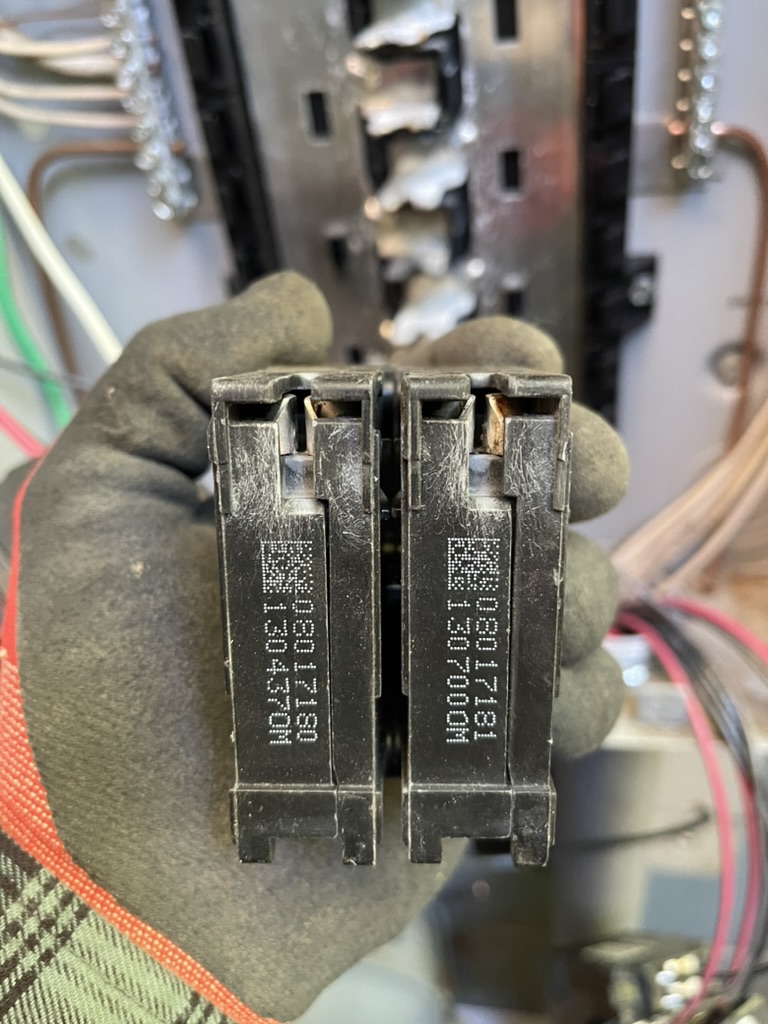
The telltale sign of a short circuit is a breaker that trips instantly and with a more forceful “snap” the moment you try to reset it, even when nothing is plugged into the circuit. In some cases, you may see a spark or hear a popping sound from an outlet when the short occurs, or you might notice a distinct burning smell. A short circuit is a major fire hazard because the intense surge of current can easily ignite surrounding materials. If you suspect you have a short circuit, you should leave the breaker in the off position and call a professional electrician immediately for a safe and accurate diagnosis.
The Hidden Fault: The Ground Fault
A ground fault is a specific type of short circuit that poses a particularly high risk of electrical shock. This occurs when a “hot” wire comes into contact with a grounded part of the system. This could be the metal casing of an appliance, a metal junction box, or the ground wire itself. This creates a dangerous situation where the electricity is trying to find the quickest and easiest path to the ground, and if you happen to be touching that appliance, that path could be through your body.
This risk is dramatically increased in areas with moisture, such as bathrooms, kitchens, laundry rooms, and outdoor spaces, because water is an excellent conductor of electricity. While a standard circuit breaker will eventually trip during a ground fault, it may not do so fast enough to prevent a serious or even fatal electrical shock.
This is why the electrical code mandates the use of a special safety device in these high-risk areas: the Ground Fault Circuit Interrupter, or GFCI. A GFCI is a type of outlet or breaker that is designed to detect the tiny current leaks that are characteristic of a ground fault. It can sense an imbalance as small as a few milliamps and will shut off the power in a fraction of a second, much faster than a standard breaker. This rapid response is what prevents a serious electrical shock, making GFCI protection an essential, life-saving component of a modern and safe electrical system.
Your Step-by-Step Action Plan for a Tripping Breaker
If you are faced with a tripping breaker, following a logical and safe process can help you determine the cause. First, go to the room or area that has lost power and turn off and unplug every single device, from lamps and televisions to small appliances. Next, go to your main electrical panel and locate the tripped breaker, which will be in the middle position. To reset it, you must first push the switch all the way to the “Off” position, and then flip it firmly back to the “On” position.
If the breaker stays on with everything unplugged, you have likely ruled out a short circuit in the home’s permanent wiring. You can then return to the room and begin to plug your devices back in, one at a time. If the breaker trips again immediately after you plug in or turn on a specific appliance, you have likely found the source of the problem. That appliance may have a faulty cord or an internal short and should be left unplugged until it can be repaired or replaced.
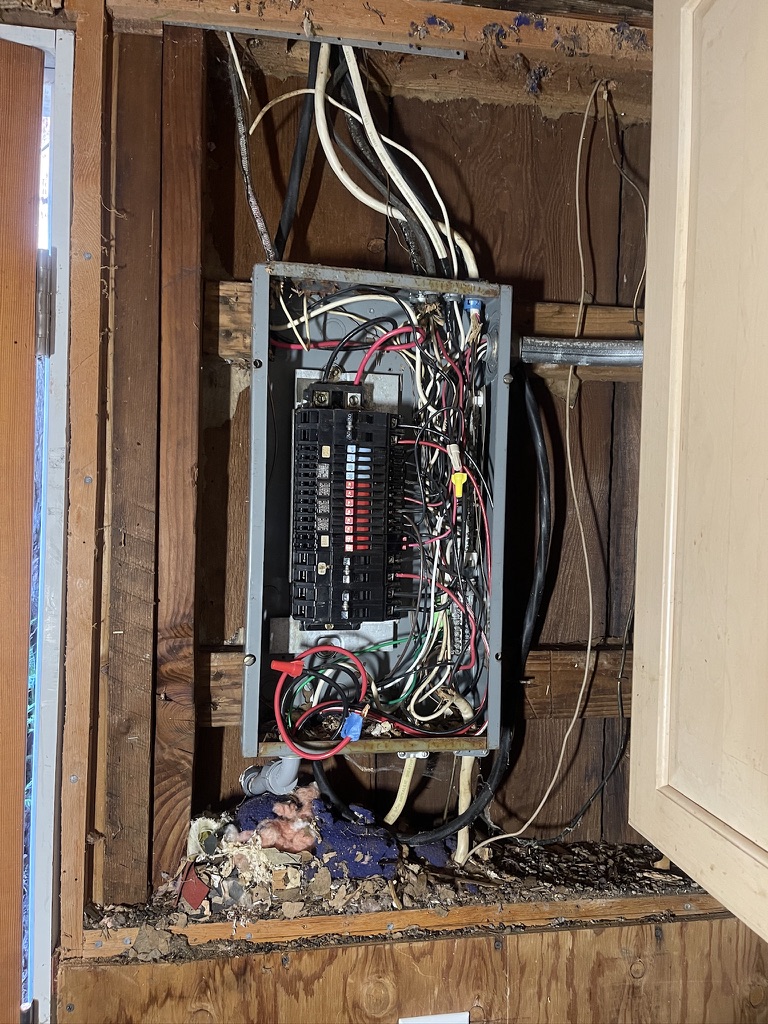
If, however, the breaker trips again instantly with nothing plugged into the circuit, it is a clear sign that you have a more serious issue, such as a short circuit in the wiring within your walls or at an outlet. In this case, you should leave the breaker in the off position for your safety and contact a licensed electrician for professional help.
Click here to learn more about having a new circuit breaker installed!
Your home’s circuit breakers are your first line of defense against dangerous electrical problems. A breaker that trips repeatedly is not an annoyance to be reset over and over; it is a critical safety warning that should always be taken seriously. By following a safe and logical troubleshooting process, you can often identify a simple circuit overload. However, for any situation involving a persistent or an immediate trip, the only safe course of action is to call a professional.
Ignoring a tripping breaker is a gamble with the safety of your home and your family. The risks of an electrical fire, damaged appliances, and personal injury are simply too great to ignore. If you are dealing with a problematic circuit in your Felton or Santa Cruz County home, we encourage you to contact the licensed and experienced experts at Beach Electrical. Let us provide you with a safe, professional, and lasting solution to your electrical problems.